
ExperientialMarketing ThatMakes BrandsFelt
Telling an audience what a brand stands for is one thing. Giving them a role inside the idea is where experiential marketing starts to work harder.
As an experiential marketing agency, Chaos Theory creates real-world brand experiences that people can enter, explore, respond to and connect back to a wider campaign. The format can be intimate, cinematic, fan-led, content-rich or large-scale. Size is not the measure of value. What matters is what the audience is invited to do, how clearly that participation expresses the campaign idea, and whether the experience is controlled well enough to protect the brand once people are physically inside it.
We are Experts in Experience. For us, that means creative thinking and operational control working together from the first conversation: communication strategy, production, logistics, audience flow, timing and detail. The message, audience and purpose shape the experience before the venue, build or mechanic is decided.
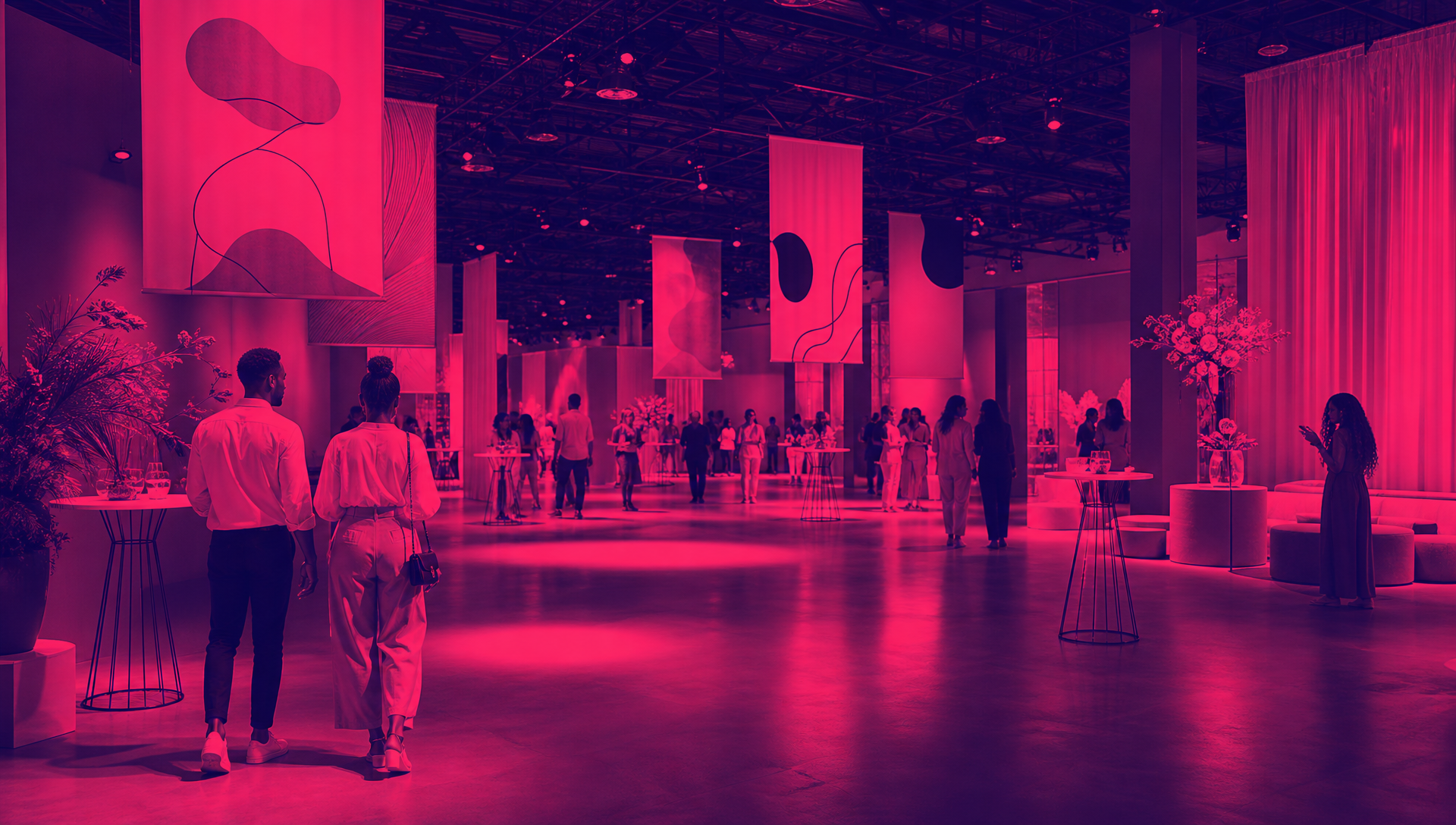
What an Experiential Marketing Agency Really Asks of an Audience
Experiential marketing is a campaign discipline where people participate in a brand idea through a designed real-world experience. It is not simply an event, a stunt, a photo moment or a branded installation. Those can all be part of the experience, but they are not the strategy on their own.
The sharper question is: who does the audience become inside the campaign? Are they guests entering a brand world, fans adding energy to a live moment, creators capturing a reveal, insiders with special access, shoppers responding to a product, or teams being drawn into a corporate message? Once that role is clear, every decision has a job to do.
Brands can buy visibility. Involvement has to be designed. A launch may need anticipation and reveal. A sponsorship experience may need a participation mechanic that connects the rights holder, brand and audience. A premiere may need atmosphere, pace and detail. Fan engagement may need movement, interaction and shared energy. A corporate audience experience may need to shift people from passive attendance into active connection with the message.
How It Differs From Activation and Event Management
Experiential marketing overlaps with other live disciplines, but the distinctions matter when a campaign needs to move from concept to audience-facing delivery.
Experiential Marketing
Looks at the complete campaign experience around the action: why it exists, how people arrive, what surrounds it, what it communicates and how it supports the wider brand objective.
Brand Activation
Brand activations are defined actions within the broader experiential discipline. They may be the moment where people sample, play, scan, enter, redeem, compete or interact.
Event Management
Event management is the operational layer that allows a live brand experience to function: guest flow, supplier coordination, access, production schedules, safety, timing and on-site control.
Chaos Theory is built for the space between creative chaos and operational control. We do not treat production as admin after the idea. We do not let logistics flatten the thinking either. The Devil Is in the Detail because small decisions affect how people move, pause, react, participate and connect the moment back to the campaign.

The Experience Has to Carry the Campaign Idea
A strong campaign experience does not ask people to attend first and understand later. The mechanic, environment, timing and content opportunities should all point in the same direction, so the audience understands what they are part of without being over-explained.
The mechanic is the thing people do. They may enter a themed environment, move through a space, watch together, respond to a reveal, join a fan activity, interact with a brand or create content from a designed moment. That action should express the campaign idea, not sit beside it as entertainment.
The environment gives the mechanic meaning. Space can build anticipation, focus attention, shape movement and change the energy of a room. It can also work against the idea if it is too passive, too crowded, too empty, too confusing or detached from the campaign. Layout, sound, lighting, signage, staging and access all become communication tools when the audience is expected to participate.
Timing is just as influential. Arrival, discovery, participation, peak moment and departure each change how people experience the message. In experiential campaigns, the audience journey is not decorative. It is the structure that allows physical engagement to happen with purpose.
Designed for the Room and the Content Around It
Live brand experiences often need to work in two places at once: the physical moment and the campaign content that grows from it. That does not mean forcing every interaction into a photo opportunity. It means knowing where content can strengthen the audience’s role, and where it would interrupt the experience.
Content opportunities can come from reveal moments, themed environments, fan interaction, audience reactions, creator access, behind-the-scenes detail or a participation mechanic that people naturally want to capture. The strongest moments feel connected to the experience rather than pasted onto it for coverage.
Behind those moments, the operational design has to hold. If people are invited to take part, the experience must account for how they enter, queue, move, interact, pause, watch, exit and re-engage. Production, suppliers, staffing, access and safety are not separate from creativity. They are the conditions that allow the creative idea to land properly.
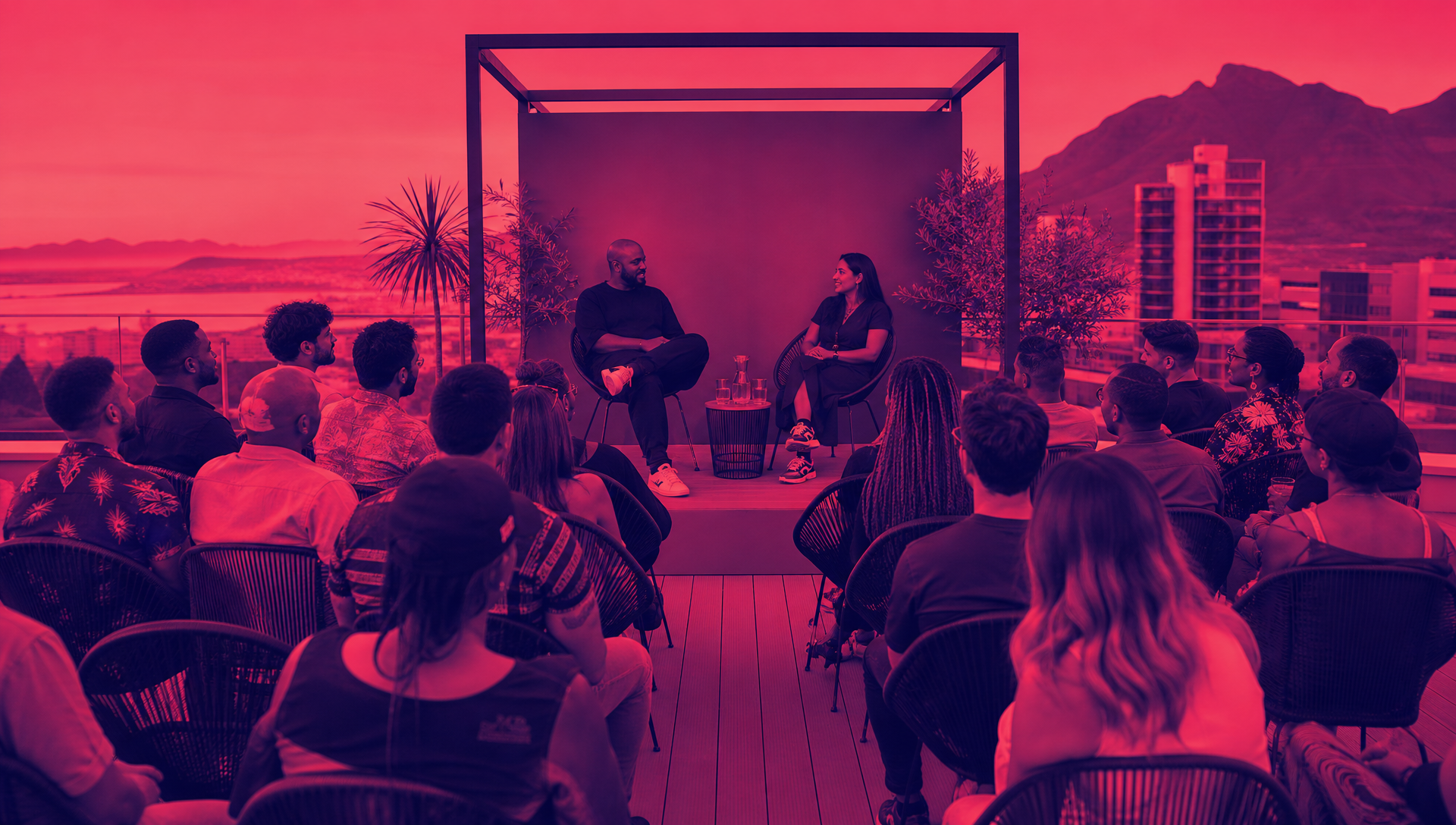
Different Briefs Need Different Audience Roles
Experiential marketing changes shape according to the role the audience needs to play. Sometimes they are guests entering a carefully built world. Sometimes they are fans bringing energy to a live moment. Sometimes they are part of an atmosphere that extends the campaign beyond a single touchpoint.
Disney 100
For Disney 100, the audience role centred on sold-out multi-city outdoor cinema experiences and a complete guest atmosphere. The campaign experience was not only about screening content. It was about shaping an environment people could arrive into, enjoy and connect with as part of a larger celebration.
Official brand context: Disney.
House of the Dragon
For House of the Dragon, themed premiere environments were delivered simultaneously in Johannesburg and Cape Town. In a brief like that, atmosphere, timing and consistency matter. The world of the title has to translate into a live setting, while the delivery remains controlled across more than one location.
Official title context: HBO.
NBA Finals Durban
For NBA Finals Durban, the audience role was built around interactive fan participation. The experience needed to give fans something to do, not only something to watch. Participation became part of the live brand experience, supporting the energy of the moment and the connection between audience, property and campaign.
See more examples of how Chaos Theory turns ideas into live experiences in Our Work →
What We Pressure-Test Before the Experience Takes Shape
The brief does not need to arrive as a fixed format. It can start with a campaign, sponsorship platform, launch objective, audience profile, message or behaviour you want to encourage. From there, we look at the decisions that affect both meaning and delivery.
What is the audience being invited to do? Attendance is not the same as participation. The people inside the experience need a clear role.
How does the mechanic express the campaign idea? The activity, journey or interaction should carry the message, not simply fill space.
Where and when should it happen? Setting and timing influence mood, access, flow, production and audience behaviour.
Does the environment support participation? Space, layout, sound, lighting, signage and movement all affect how people engage.
Which content opportunities belong naturally? Content moments should extend the campaign without taking people out of the experience.
What needs to be controlled on site? Production, access, suppliers, guest flow and safety shape the final audience experience.

Best-Fit Briefs for Chaos Theory
Best Fit
Chaos Theory is a South African strategic experience agency creating experiential marketing, brand activations, live brand experiences, campaign experiences and audience participation moments for established brands, corporates, rights holders and agencies.
We are best suited to briefs where a campaign idea needs to become physical, audience-facing and commercially or strategically purposeful. That includes campaign launches, sponsorship experiences, fan engagement, brand worlds, premieres, corporate audience experiences and live consumer engagement.
The Right Scale
Not every idea needs scale. Not every experience needs to be described as immersive. The right answer depends on the audience, the role they need to play and the quality of the participation.
Sometimes the strongest experience is tightly focused. Sometimes it needs movement, spectacle and a larger operational footprint. The discipline is knowing the difference before production begins.
Let’s Create Chaos, Together.
If your campaign needs more than visibility, bring us the idea, the audience and the intended participation. We will help shape what the experience should allow people to do, how the brand should show up, where content opportunities belong and what needs to be controlled to deliver it properly.
Meet Us and Start the Conversation →