
Event Management Process: From Brief to Showtime
Many agencies treat the brief as a starting admin task. For serious buyers, that is not enough. The real question is what happens after appointment, how decisions are made, and how complexity is controlled as the event moves from concept to live delivery. A clear event management process should answer those questions early, not after the pressure starts.
From brief to showtime is the idea behind this approach. The message, audience and objective shape the event from the beginning, before venue, décor or production details take over. That matters because the strongest event planning process is not a fixed template. It is a series of decision gates that protect scope, budget, timing, creative intent and technical readiness as the project develops.
Start with the brief, then question assumptions
The first step in any event management process is to understand what the brief is really asking for. That means more than taking notes. It means clarifying purpose, audience, message, constraints and the decision-making structure around the project. It also means testing assumptions that can quietly create risk later. That includes whether the format suits the objective, whether the audience journey is realistic and whether stakeholders agree on what success should look like.
This is where a buyer gains the most clarity. A good brief stage separates what is confirmed from what is still open. It identifies the decisions that must be made before the work can move forward. That gate reduces appointment risk because it shows how the event project management process will handle ambiguity instead of ignoring it. In Chaos Theory’s way of working, this reflects We Question Everything. The point is not to complicate the conversation. It is to make sure the event starts with a shared understanding of what is being built.
Define strategy before creative takes shape
Once the brief is understood, the next gate is strategy. This is where the event planning process turns a business objective into a workable event direction. Strategy connects the audience, the message, the format and the practical constraints into one plan. It also establishes what the event must achieve in experience terms, not only in visual terms.
For example, the strategic stage clarifies how the audience should move through the event, how key messages will land, and where stakeholder responsibilities sit. If the project needs internal approval, supplier coordination or multi-party alignment, those dependencies should be visible here. That is why this stage matters to procurement teams and internal approvers. It creates a basis for decision-making before production begins.
This is also where Event Strategy becomes a practical discipline rather than a broad idea. Strategy approval should mean the direction makes sense against the brief, the objective and the known constraints. It should not be treated as a decorative sign-off. Once the strategy is approved, the team has a clear direction to develop creatively, without drifting away from the original purpose.
Develop creative response with operational realism
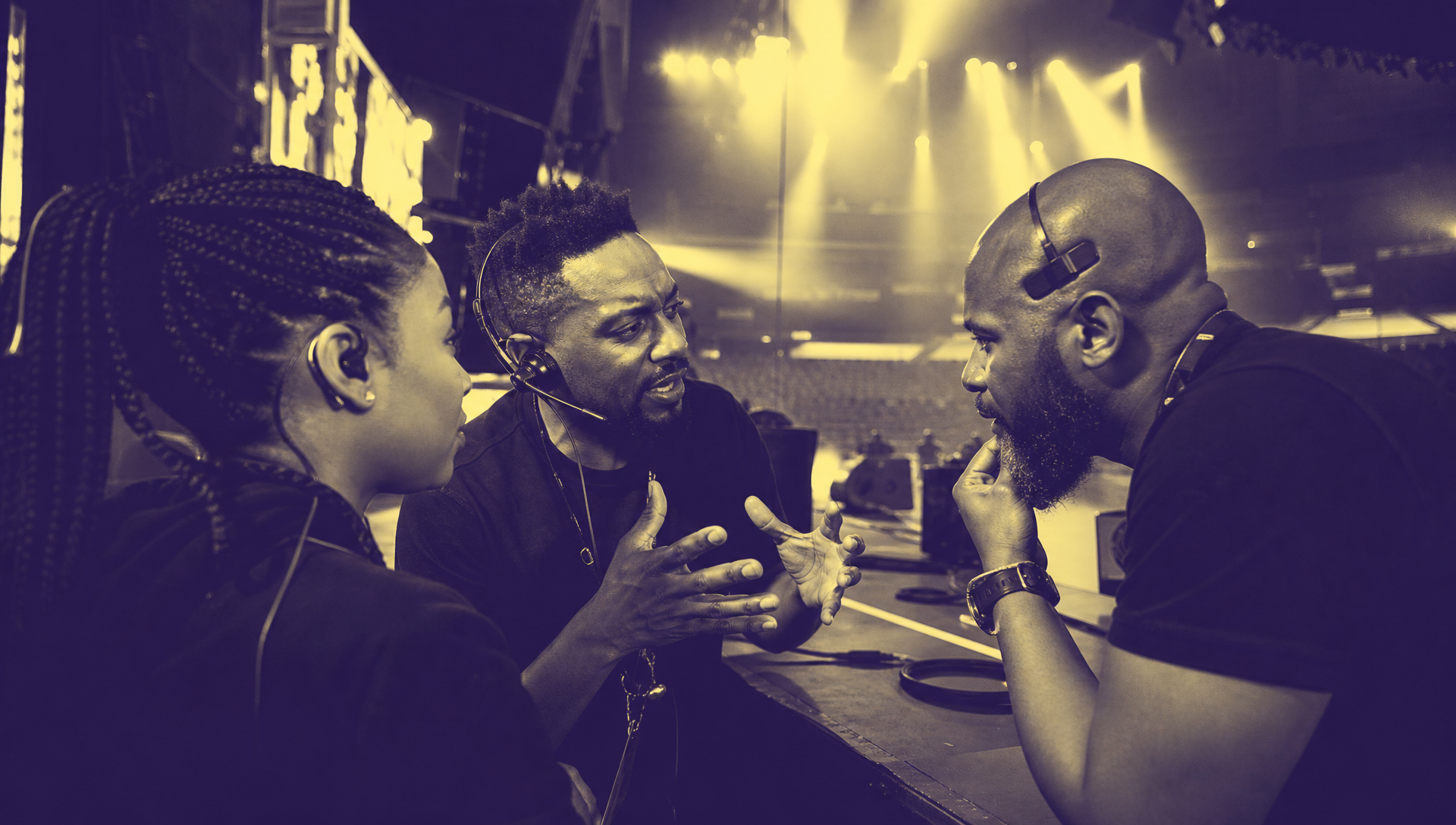
Creative work does more than make an event look good. In a strong event agency process, the creative response translates strategy into a guest experience that can actually be delivered. That includes the structure of the event, the flow of content, the moments of participation, the tone of the environment and the way the brand story is expressed through the event itself.
Good creative work also has to respect the realities of production. A bold idea that cannot be built, timed or supported technically is not ready yet. That is why the creative stage should always be tested against feasibility, audience movement and available resources. The decision gate here is simple: does the concept still serve the objective once practical limits are applied?
At this point, the creative response should give the buyer more than an attractive concept direction. It should clarify what the experience will feel like, what it needs from production, and where complexity may arise. That gives stakeholders a better basis for approval and reduces the chance of late-stage redesign. It also keeps the process grounded in what the event must do, not only how it must look.
Pressure-test feasibility before the build begins
Feasibility is where the event production process becomes properly disciplined. This stage checks whether the proposed event can be delivered within the real conditions of the project. Venue suitability, technical production requirements, logistics, access, timing and supplier assumptions all need to be tested before the work moves into build mode.
This is the moment to look at the detail that can affect delivery. Will the venue support the technical requirements? Does the schedule allow enough time for setup, rehearsal and adjustments? Are the logistics compatible with the creative direction? Are there dependencies that need to be resolved before the event can proceed with confidence? These questions are not slowing the project down. They are how complexity is controlled.
That is also why this stage links closely to Live Event Production. Production is not just the last phase before showtime. It is the practical framework that makes the approved direction workable. The decision gate at this stage is a feasibility sign-off. It confirms that the event can run as designed, with known constraints, clear responsibilities and a realistic plan for delivery.
Build production and logistics as one working system
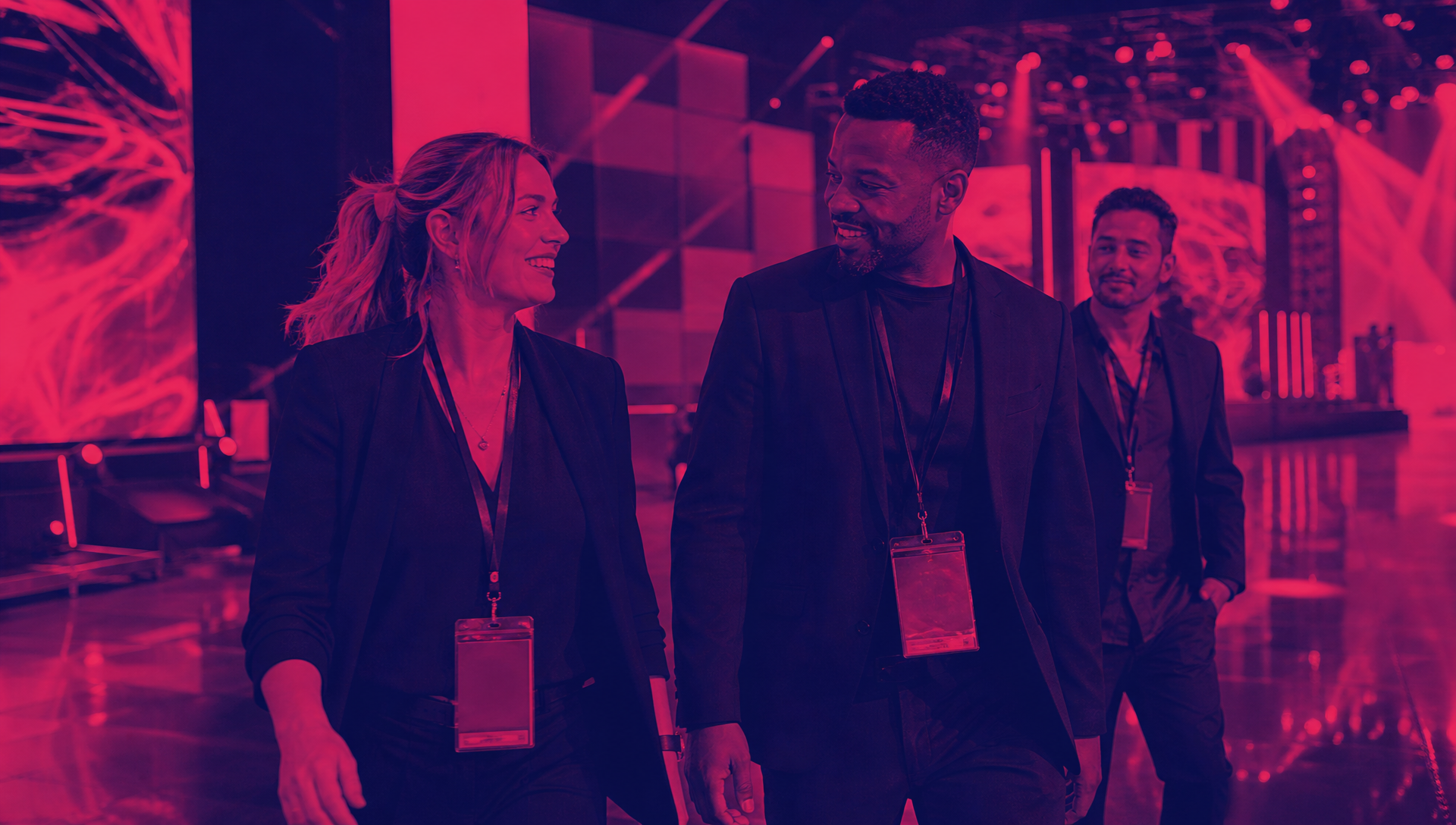
Once the plan is feasible, the event project management process shifts into production and logistics. This is where the approved idea becomes a working system. Schedules are developed, supplier coordination is managed, and operational details are aligned so that the event can move from planning into execution without unnecessary friction.
Production and logistics should not sit in separate silos. Guest flow, staging, technical requirements, access, load-in and operational timing all affect one another. A change in one area can affect several others, which is why this stage needs control as well as creativity. The work here is not only about creating the right look and feel. It is about making sure the event can function under live conditions.
At this point, the buyer should expect practical clarity. What is being delivered? Who owns each part of the work? What has been confirmed, and what still needs final alignment? That kind of visibility protects the project from last-minute confusion. It also supports better internal decision-making, because stakeholders can see how the plan will actually run.
Coordinate teams and suppliers with care
Events rarely depend on one team alone. They usually involve multiple stakeholders, internal approvers, suppliers and production partners who all need to move in the same direction. The coordination stage keeps those moving parts aligned so the event remains controlled as it gets closer to delivery.
This is where Chaos Theory’s principle that The Devil Is in the Detail becomes especially relevant. Small gaps in communication, timing or ownership can create large problems during live delivery. A careful event management process reduces that risk by keeping expectations clear and ensuring the right people know what they need to do, and when.
It also reflects Be Kind, Respect All. Coordination works better when the process is direct, calm and collaborative. That matters for stakeholders who need confidence, and for teams who need to execute under pressure. The goal is not to force every contributor into the same pattern. It is to make sure the working relationship supports the event rather than distracting from it. That mindset is part of why buyers compare the process with Why Us when they need a partner who can balance precision and professionalism.
Use rehearsals and final checks to remove surprises
Rehearsals and final checks are the last decision gate before live delivery. This stage tests timing, cues, technical readiness and the operational flow of the event. It is where the team confirms that the plan works in practice, not only on paper.
For buyers, this stage matters because it shows that the event is being prepared with discipline. Rehearsal is not a performance for its own sake. It is a control point. It exposes issues while there is still time to adjust, and it gives the team a final opportunity to align around the live sequence. A mature event planning process uses this stage to reduce uncertainty and improve readiness.
When final checks are complete, the team should know what is ready, what is still being monitored and what fallback thinking exists if conditions change. That does not mean promising perfection. It means showing that the live event will be delivered with structured preparation and clear operational awareness.
Live delivery is where control matters most
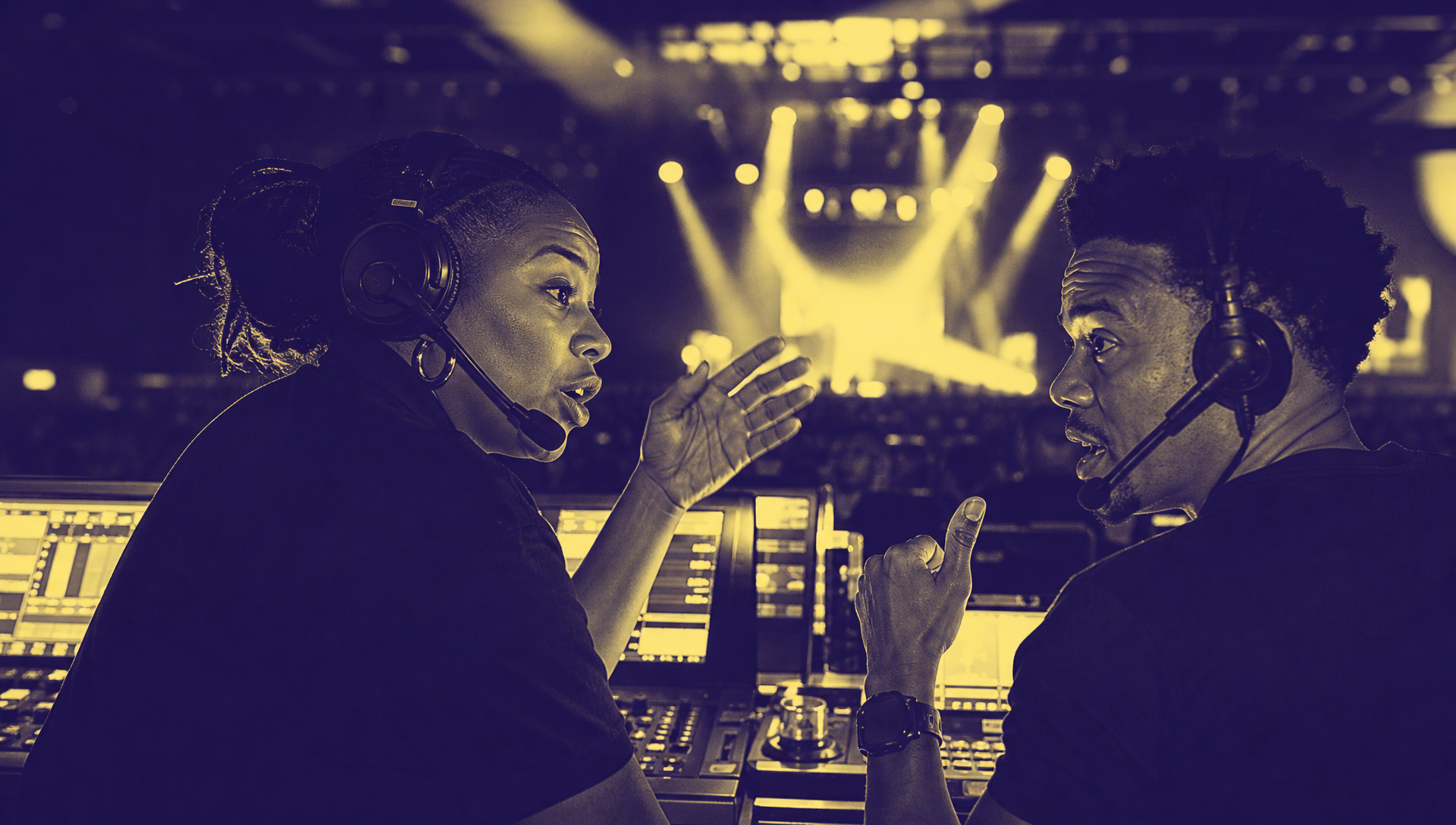
Showtime is not the point at which the process stops. It is where the process proves itself. Live delivery brings together message, production, logistics and stakeholder coordination under real conditions. The role of the event management process at this stage is to keep the event on course while responding to what is happening in the room.
That requires rhythm, discipline and judgment. The team needs to manage cues, maintain the flow of the programme, coordinate across roles and respond to issues without creating unnecessary disruption. A well-run event project management process does not eliminate all live variables. It gives the team a structure for handling them professionally.
This is where buyer confidence becomes visible. The event is no longer a concept. It is a delivered experience shaped by the earlier decisions, gates and checks. A strong process keeps those decisions connected so that the final result reflects the original objective, not a series of disconnected actions. That is the practical value of the Event Management approach behind the work.
Post-event review, where it is included
If post-event review or reporting is confirmed in the engagement scope, it becomes the final step in the process. At that stage, the focus is on documenting what was delivered, capturing lessons learned and identifying useful recommendations for future work. If it is not in scope, it should not be assumed.
This conditional approach matters because it keeps the process honest. It avoids promising outputs that were never part of the brief, while still recognising the value of review when it is included. In a well-managed engagement, the after-action stage can help stakeholders understand what worked, what needs refining and how the next project can be shaped with greater confidence.
Examples of how the gates work
Selected case studies can show how these gates work in practice, not just how they are described on paper. They are useful because they reveal how strategy, creative thinking, feasibility, production control and live delivery come together under different conditions. The point is not to present one fixed formula. It is to show how the method adapts to the brief while still protecting the work.
Bring us your brief
If you have a live brief, share it with us and we will help shape the right event management process from the start. Visit Meet Us to begin the conversation and define the route from brief to showtime.