
ConferenceManagement BuiltAroundthe DelegateExperience
Delegates feel a conference before the first speaker begins.
They feel it in the invitation, the registration process, the timing of arrival, the way the room moves, the confidence of the production cues and the rhythm between content, hospitality and conversation.
When those parts are connected, the audience can focus on why they are there. When they are not, the gaps are obvious. Queues form where arrival times were not tested. Speakers walk into technical uncertainty. Presentations arrive in formats that fight the screen setup. Hospitality pulls attention away from the programme instead of supporting it. Stakeholder priorities compete for the same space, time or audience focus.
Chaos Theory provides conference event management for corporate, association and professional conferences that need more than a collection of suppliers. We connect the communication purpose, programme, delegate journey, production environment and on-site operations into one managed system. Learn more about Chaos Theory.
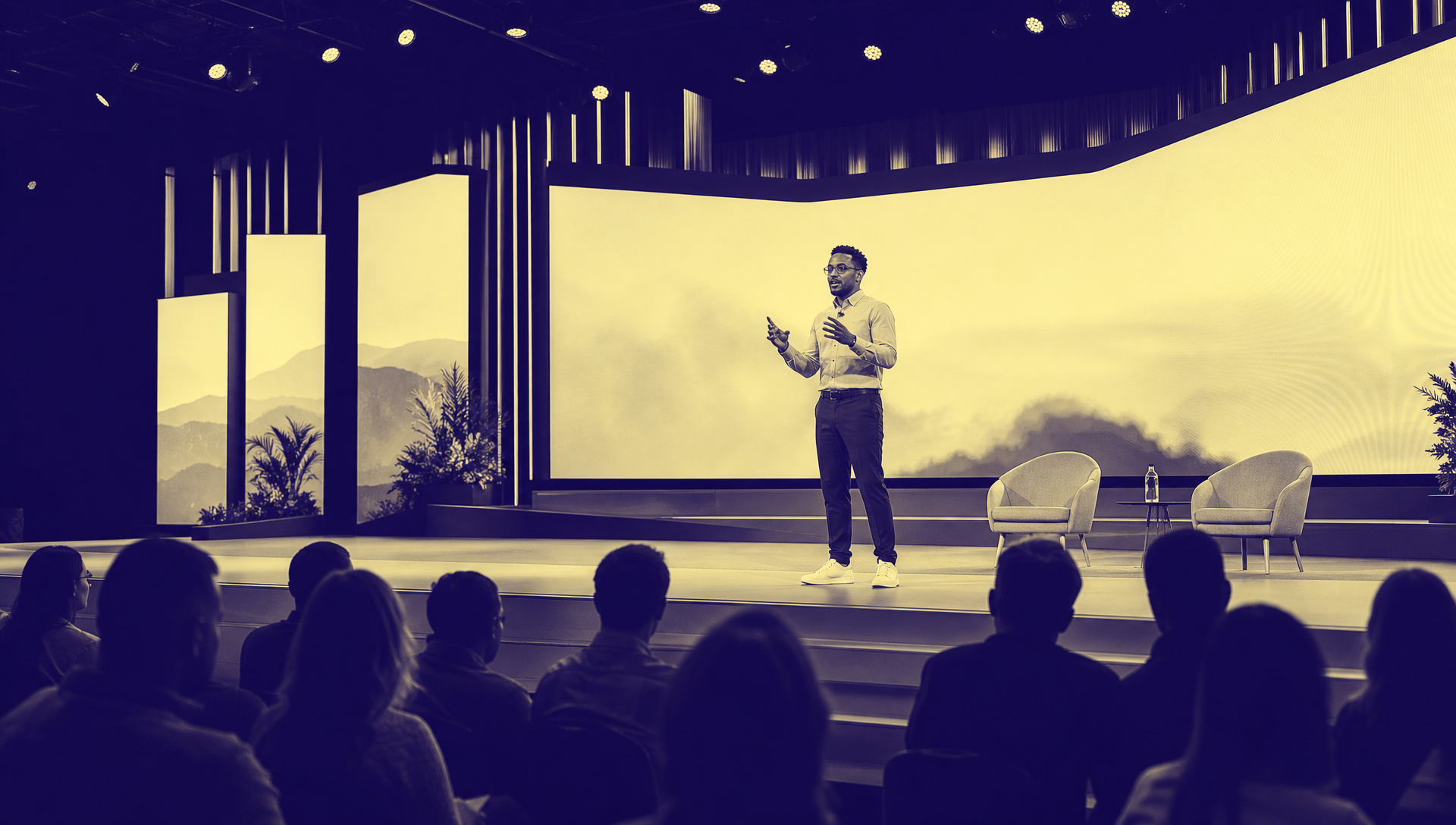
A Conference Is One System, Not Separate Workstreams
Strong conference management starts by recognising how closely each decision affects the next. Speaker timing changes production cues. Presentation formats affect AV planning and screen configuration. Delegate travel, where required, affects registration flow and room readiness. Hospitality shapes pacing, networking and attention. Sponsor, executive or stakeholder commitments can influence programme structure, spaces, branding, content and guest movement.
Our role is to see those dependencies early. We begin with purpose, audience, message and experience, then build the operational and production requirements around that objective. The work is not to make the conference look busy. It is to make every moving part earn its place.
A conference management company should coordinate far more than the venue. It should understand the delegate journey, programme structure, speakers, presentations, registration, travel needs where relevant, hospitality, stakeholder expectations, conference production and the on-site team responsible for keeping the experience coherent.
Message & Purpose
Programme & Speakers
Production & Hospitality
Delegate Journey

What We Coordinate Around the Brief
Every conference brief has its own pressure points. Some need delegate travel support. Some need complex content management, multiple audience groups, entertainment, gala activities or sponsor coordination. Others are more focused on leadership alignment, member engagement or professional knowledge-sharing. We do not assume every conference needs the same components. We build around the purpose, scale and audience.
Conference Strategy & Experience Planning
Conference strategy, creative development and experience planning built around purpose, message and audience.
Programme, Speakers & Presentations
Programme structure, speaker flow and presentation requirements managed as part of the wider show system.
Delegate Registration & Arrival
Delegate registration, communication and arrival journeys designed to reduce friction from the first operational touchpoint.
Travel Coordination
Travel coordination where the audience, location or agenda requires it.
Conference Production
Staging, AV, technical direction and show flow connected to the content and programme.
Hospitality
Hospitality planning that supports the rhythm of the programme, networking and delegate attention.
Entertainment & Gala Activities
Entertainment or gala activities where they serve the conference objective.
Stakeholder, Sponsor & Executive Requirements
Requirements that affect content, space, branding, timing or movement are brought into the same operating plan.
On-Site Coordination
On-site coordination so teams, suppliers and delegates are working from the same plan.
Registration
A registration desk is not just a desk. It is the first operational pressure point in the delegate journey.
Stage
A stage is not just a platform. It changes how the message is carried.
Hospitality
A hospitality break is not only food and timing. It affects movement, networking, attention and the pace of the day.
For organisations planning wider business-event activity around a conference, the same strategic thinking applies to launches, internal events, brand experiences and other commercially meaningful gatherings.

Conference Event Management in Practice
The value of connected conference event management becomes clear when the brief carries many moving parts.
PMSA Commercial Conference
PMSA required turnkey delivery across four events for 200 delegates, including strategy, creative development, delegate travel, staging, AV, presentations, entertainment and coordination. That work needed more than separate task management. It required one system that could hold the delegate experience, content, technical delivery and operational detail together across multiple events.
Protea Hotels GM Conference
Protea Hotels brought 120 leaders together, with the brief supporting decisions around content, speakers, delegate experience, entertainment and gala activities. In that kind of environment, the conference depends on more than room setup. The leadership audience, programme flow, speaker requirements and hospitality moments all need to support the reason people have been brought together.
View the Protea Hotels GM Conference project →
Official brand context: Protea Hotels.
These examples reflect the kind of work we are built for: conferences where message, audience, content, production and delivery all matter. More project context is available through Our Work →
Choosing a Partner for Corporate Conference Planning
Choosing a conference partner is a communication decision as much as a procurement decision. The right team should be able to talk about the conference at two levels at once: what delegates will experience, and what needs to happen behind the scenes for that experience to feel joined up.
How will programme timing and production connect?
How will speakers and presentations be managed before the event, not only on the day?
What happens if travel arrivals affect registration pressure?
How will hospitality support the agenda instead of interrupting it?
How will stakeholder expectations be handled without pulling the programme apart?
A conference can have the right venue, the right speakers and the right hospitality, and still feel fragmented. The difference usually sits in the dependencies: the handovers, timings, communication routes, decision points and rehearsed details that delegates may never notice when they work, but quickly feel when they do not.
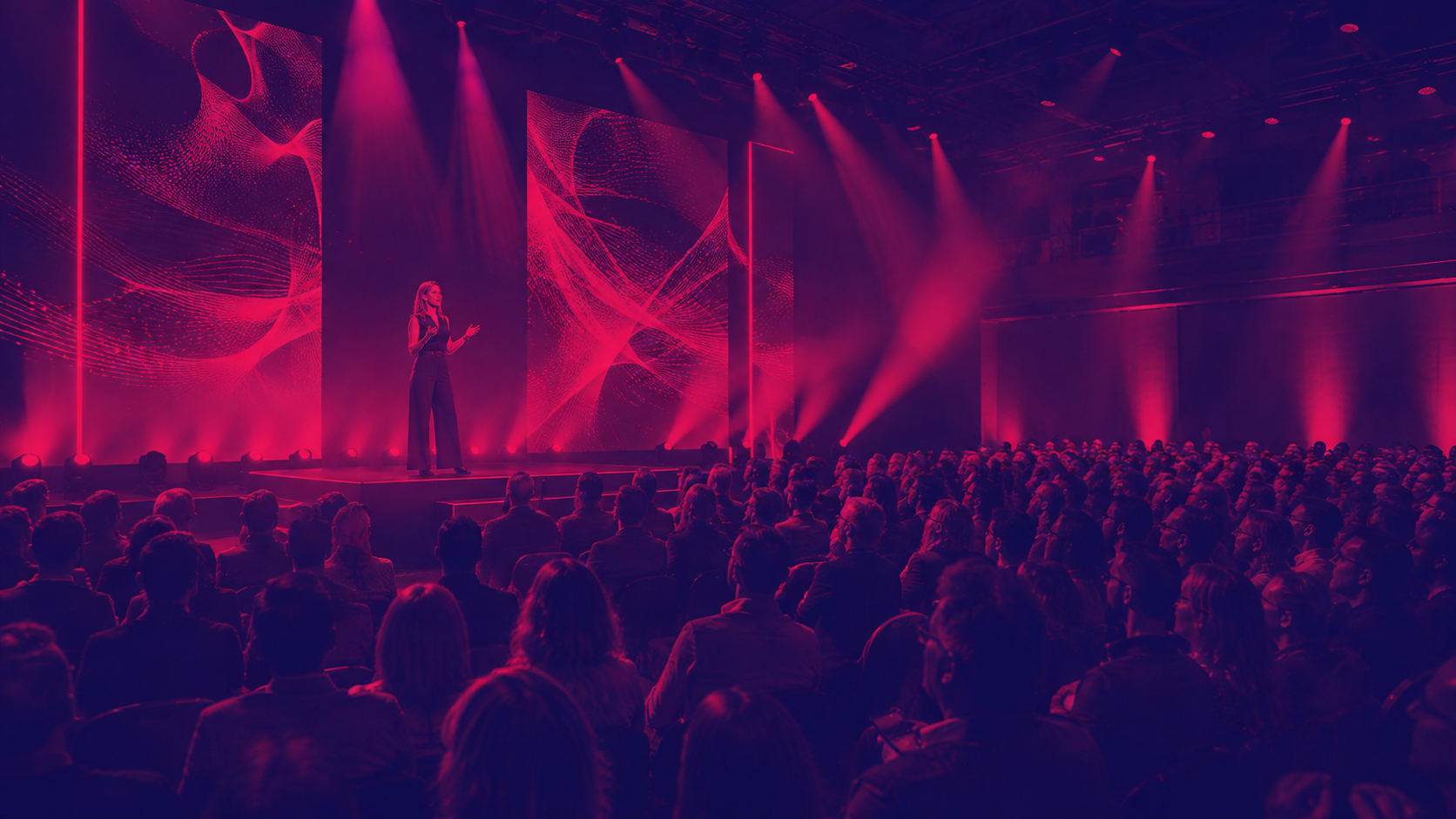
Built for Conferences Where the Message Matters
We work best with established brands, corporations, associations, marketing and communications teams, senior executives and procurement teams that already know the conference has a serious purpose. There may be internal stakeholders to align, a message to land, speakers to prepare, guests to move, production to manage and a live environment that cannot be left to chance.
Our approach balances creative chaos with operational control. We look for the idea that gives the conference energy, then build the structure that protects it. Programme shaping, delegate management, staging, AV planning, presentation control, hospitality timing, travel coordination where required and on-site delivery are not treated as isolated tasks. They are parts of the same experience.
Build the Conference Around the People in the Room.
If you are preparing a corporate, association or professional conference, bring us the purpose, audience, programme requirements, location, travel needs and stakeholder expectations. You do not need every answer before the conversation starts. Useful work often begins by finding the dependencies that are not yet visible.
Chaos Theory can help shape the conference around the people in the room and the operational system behind them.
Get a Quote / Start the Conversation →