
Live event production company South Africa
A live show can look simple from the audience side. What is hidden is the controlled chain of decisions and actions that makes it work: cables, cues, timing, access, power, playback, load-in, rehearsals and the people moving between all of them. That is the difference between an idea that sounds exciting and an experience that can actually run inside a real venue, on a real schedule, with real constraints.
Chaos Theory works in that space. The role of a live event production company South Africa is to turn an approved concept into a technically and operationally deliverable live experience. That means keeping the production layer under control while the creative ambition stays intact. It also means understanding where delivery depends on venue conditions, supplier coordination, access windows and the technical shape of the brief. In live production, the devil is in the detail.
Where event management ends and live production begins
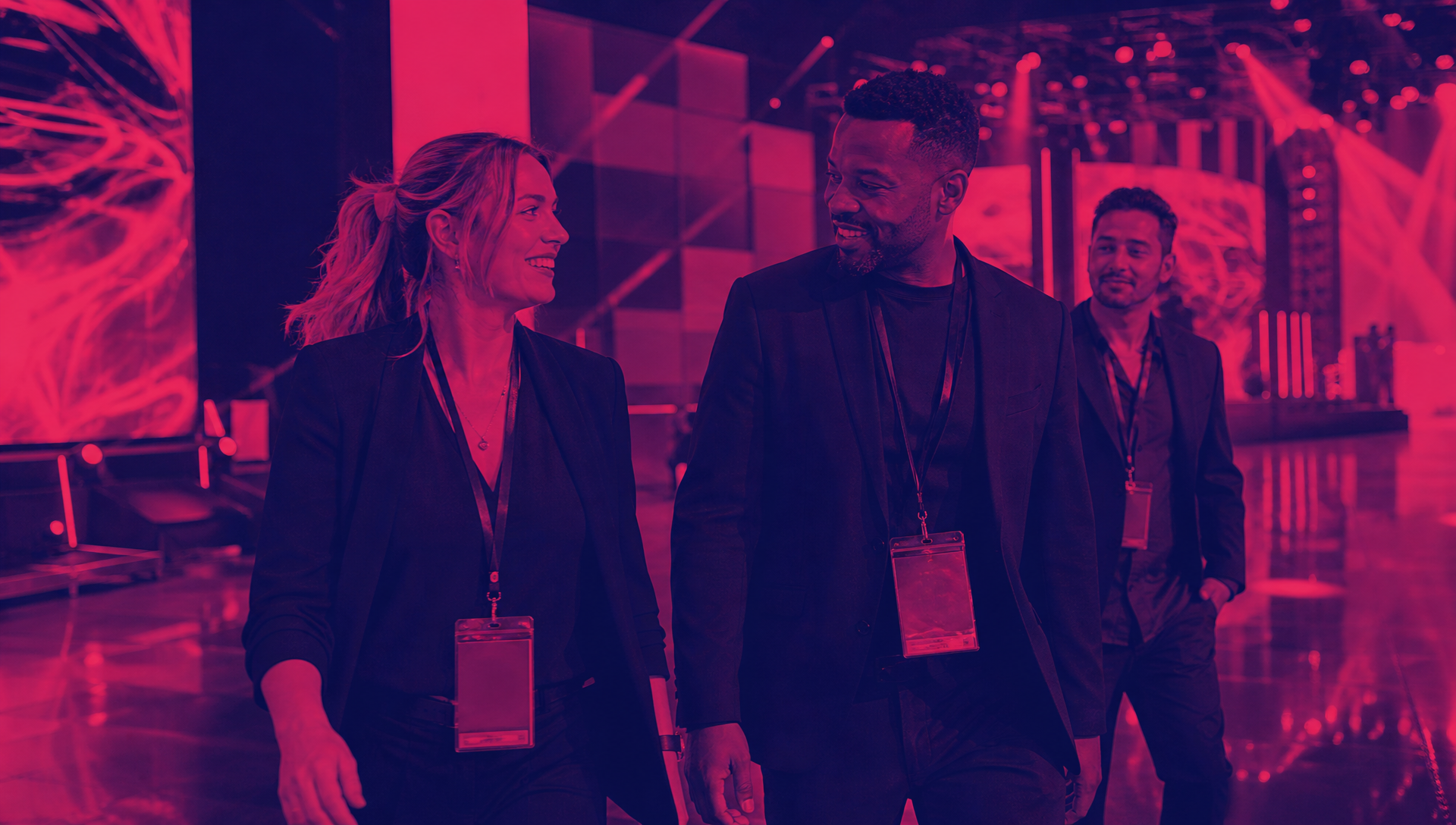
Event Management and live production are related, but they are not the same discipline. Event Management shapes the wider event system: the audience experience, the message, the flow of the occasion and the overall event logic. Live Event Production owns the execution layer. It is the work of staging and production, technical coordination, show calling, timing and venue-driven delivery.
That distinction matters because a technically ambitious event does not succeed on concept alone. It has to be staged, timed, tested and operated in the conditions of the venue. Chaos Theory coordinates the dependencies required for show delivery, so the approved plan can move into a live environment without losing control of the details that make it run.
This is where a strong event production company earns its place. The production layer connects creative intent to operational reality. If those two sides are not aligned early, problems tend to show up later, when they are more expensive and more visible.
Production planning that survives reality
Good production planning begins with the brief, but it cannot stop there. The concept needs to be translated into a production schedule, a technical plan, cue structure and a clear understanding of lead times and risk points. Every live event has dependencies. Creative ambition creates technical requirements. Technical requirements meet venue constraints. Venue constraints affect timing and access. Timing and access affect what can be built, tested and rehearsed.
That is why technical event production is never just a matter of listing equipment. It is a planning exercise that asks what the event needs in order to work in practice. It considers what must happen first, what cannot overlap, where delays would affect the show and which elements need to be locked before build begins. In large-scale event production, those decisions shape the whole day.
When the planning is disciplined, the live event production team is not scrambling at the last minute. The production is being built around known dependencies, realistic assumptions and clear operational ownership. That is how the brief becomes something the venue can actually host.
Venue access, constraints and contingency
Venue access is often one of the biggest variables in live event production. Load-in and load-out windows define what can happen and when. Rigging and staging limitations affect what can be built safely. Power and connectivity considerations can influence everything from screens to playback. Site movement, safety requirements and the flow of crew and equipment all shape the final production plan.
Because of that, contingency planning is not a nice-to-have. It is standard production discipline. A live event production company has to think through changing access, late suppliers and technical elements that need to be re-sequenced. It also needs a response when venue conditions shift from the original assumption. The goal is not to imagine every possible problem. The goal is to reduce avoidable risk and keep the production workable when conditions are less than ideal.
That is especially important for events in Johannesburg, Cape Town and across South Africa where venue types, access rules and technical environments can vary widely. The production process has to respect the room it is entering. Good staging and production work with the venue, not against it.
Staging and production built around the brief
Staging is not only about building a platform. It is about creating a usable production environment. The right staging and production approach depends on the concept, the sightlines, the movement of presenters or performers, the durability required on site and the amount of rehearsal or cue work needed before go-live.
At this level, the question is not whether a set looks impressive on paper. It is whether it supports the show. Modules have to sit where they are needed. Access has to remain practical. The build has to support the people using it. If the event relies on tight timing, the staging must make that timing possible rather than fighting against it.
That is why live event production is as much about operational judgement as it is about physical build. The structure has to hold the show, not distract from it.
Lighting, sound and screens working as one show
Lighting, sound and screens are often discussed as separate elements, but the live audience experiences them as one system. If the cue timing is off, the show feels fragmented. If the sound is not aligned with the action on stage, the room loses rhythm. If screens or playback do not match the show flow, the event can feel delayed or disjointed. In live event production, these elements need to be planned together.
That means thinking about how the cue structure will work in the room. It means aligning lighting changes with show moments and making sure sound supports the pace of the event. It also means understanding how screens and content depend on playback timing, signal stability and the order of the programme. When the show is live, there is no space for isolated decisions. Every element affects the next one.
For a technically demanding brief, this is where the difference between a basic supplier and a true event production company becomes clear. The production layer has to coordinate the moving parts so they work as one. The result is not just technical output. It is a coherent show flow.
Technical coordination from rehearsal to runtime
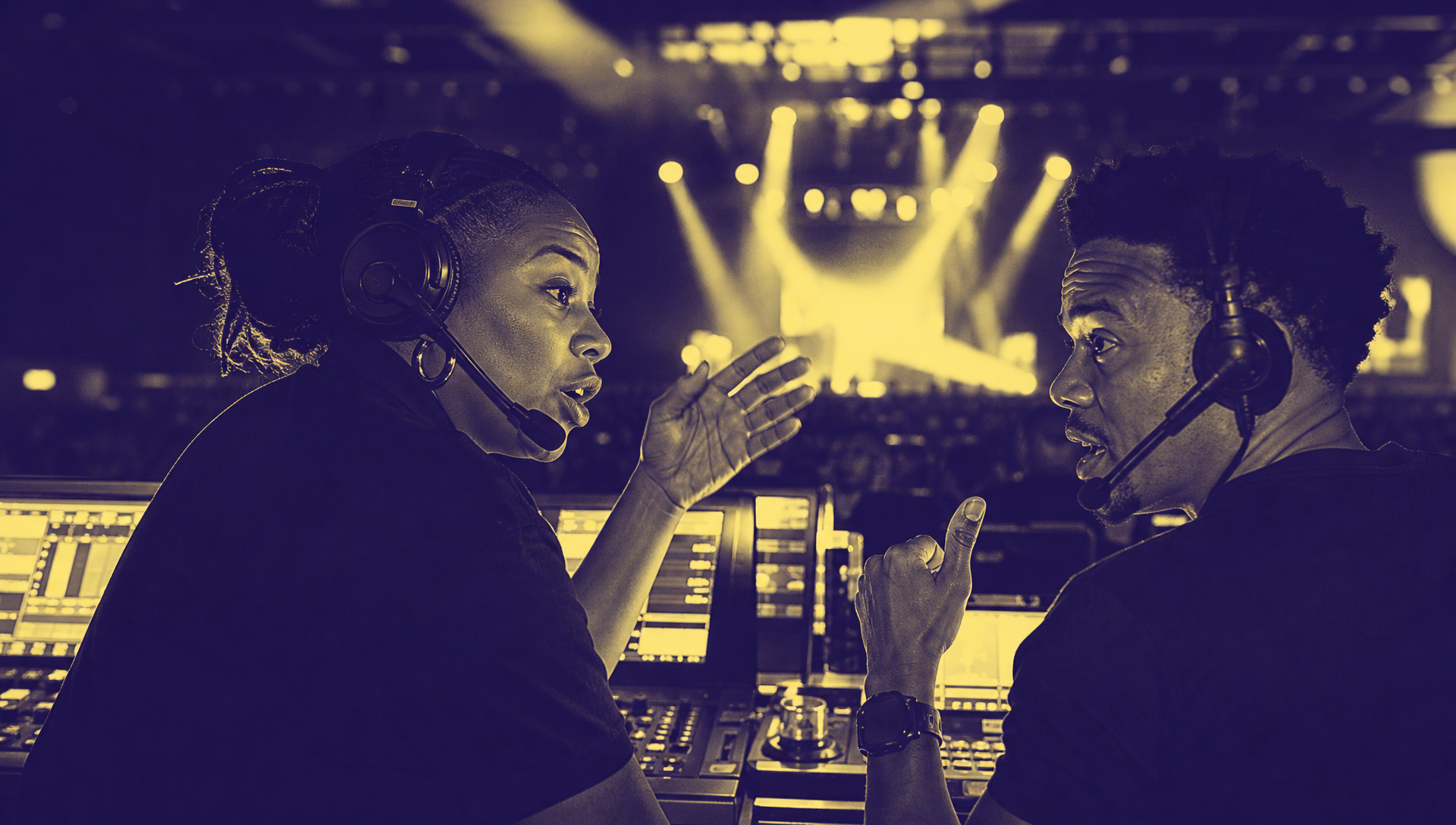
Technical coordination is the discipline that turns multiple teams into one working rhythm. It connects venue teams, suppliers, crew and internal stakeholders so the event can move from planning into build, from build into rehearsal and from rehearsal into runtime without losing direction. Show calling becomes critical here. Cues have to land in the right sequence. Everyone involved needs to understand what happens when, who leads it and what the fallback is if the pace changes.
This is also where venue access must be managed carefully. If access is delayed, shifted or tightly controlled, the production plan has to adapt without creating confusion on site. That is why a controlled show environment depends on more than equipment. It depends on the system around the equipment. Rehearsal is not just a practice run. It is the point where assumptions meet reality and the show is adjusted before the audience arrives.
At runtime, the production team is not only watching for technical issues. It is watching the whole flow of the event. That includes transitions, timing, handovers and the pace of delivery. Good coordination keeps the event moving. It also protects the brief from avoidable friction.
Working across suppliers and stakeholders
Live production usually involves more than one specialist. That is normal. Chaos Theory’s role is to manage the handoffs and accountability across the live production ecosystem, rather than pretending every technical element sits in one place. In practice, that means keeping supplier relationships clear, making sure responsibilities are understood and maintaining a single operational line through the work.
When the event is complex, the organisation of the people matters just as much as the organisation of the gear. Strong governance keeps the teams aligned on timing, access, build order and show requirements. It also creates a cleaner path from approval to delivery. That is the value of an experienced production partner: not just knowing what needs to happen, but making sure the right things happen in the right sequence.
What proven live production looks like in practice
Proof matters when the brief is demanding. Chaos Theory’s project experience includes Jacaranda Day, Skift Megatrends Cape Town, Jetour South Africa, Edgars and SA20. Each name points to a different production environment. The shared thread is controlled delivery, technical orchestration and a production layer that supports a live moment without losing the structure around it.
That kind of work requires judgement. It asks for controlled timing, careful technical coordination and an understanding of how staging, sound, screens and show calling interact under pressure. It also requires respect for the venue and the production constraints that come with live delivery. Those are not abstract ideas. They are the conditions that shape the quality of the final event.
For brands and agencies comparing an event production company, the key question is whether the partner can manage complexity without making the process heavier than it needs to be. The answer should be visible in the way the production is planned, coordinated and run.
Bring us your live event brief
If your concept needs a technically demanding live production layer, bring the brief to Chaos Theory. Share the concept, audience, venue status and production requirements, and the team will help assess what it will take to turn the idea into a workable live experience. For organisations comparing live event production, this is where the conversation starts.