
Sports sponsorship agency South Africa
Owning sponsorship rights is not the same as giving people something worth experiencing. In sport, that difference shows up fast. A strong rights package still needs a clear idea, a fan-first mechanic and careful delivery on the day. Otherwise, the partnership stays at logo exposure when it should be creating real value in the stand, at viewing moments and across the match-day journey.
That is where Chaos Theory works. We shape sports sponsorship activation around real match-day and viewing moments across South Africa and Africa, so rights holders and sponsors can move beyond visibility and into meaningful participation. We Think the Unthinkable, but we keep the detail grounded in the venue, the audience and the commercial objective.
Why sponsorship rights need an experience plan
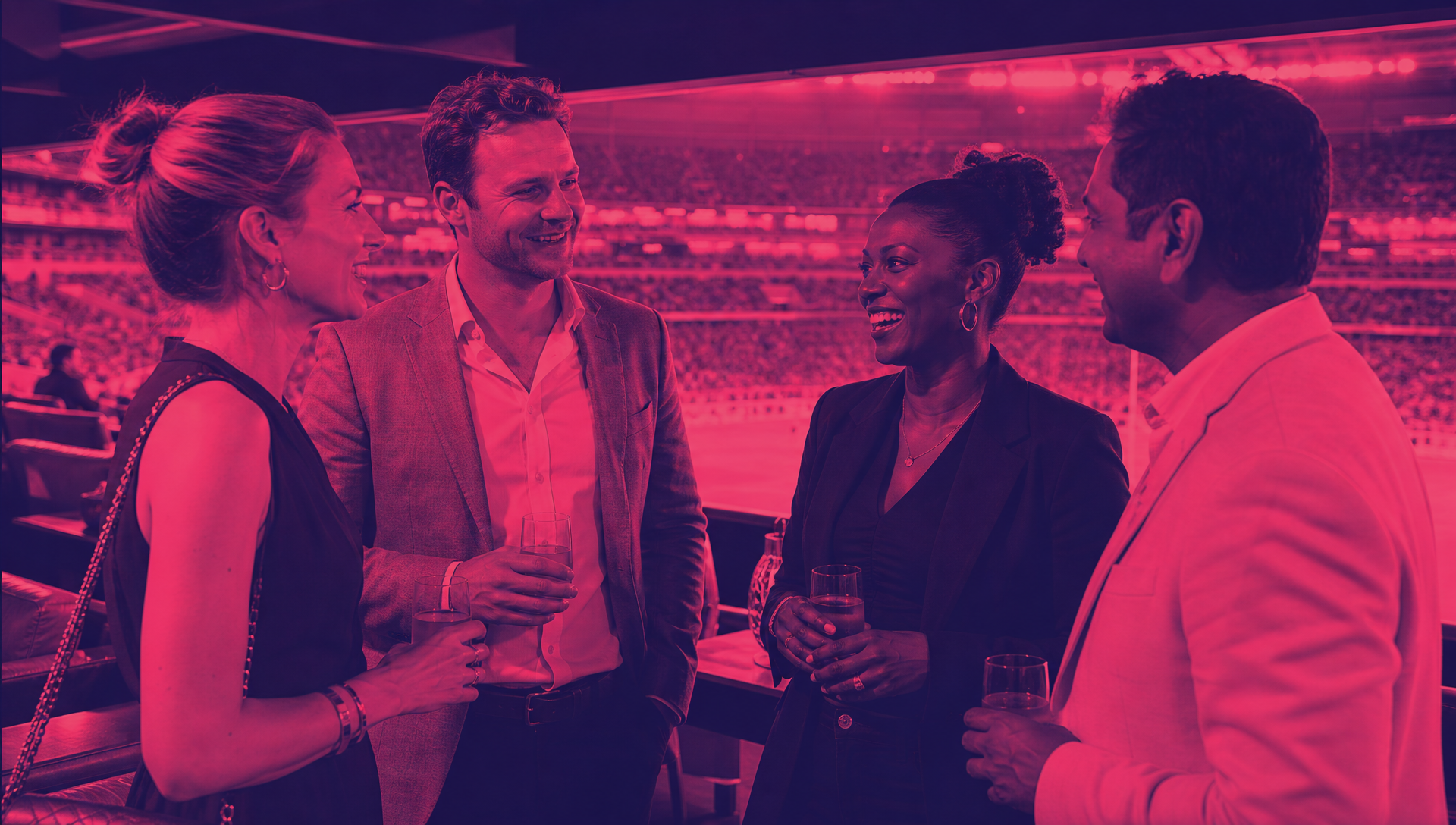
Sponsorship rights only create value when they are translated into something people can see, feel and join. A rights holder may offer access, visibility, hospitality or content platforms. A sponsor may need relevance, audience fit and a clear brand role. Those needs are not the same, and they should not be treated as if they are.
A sports sponsorship agency South Africa team has to understand the full picture. That means looking at the property, the audience, the venue, the timing and the brand rules before shaping the activation idea. It also means knowing where the idea lives: in the stand, in hospitality, on the pitch perimeter, in the fan journey or across the content moments that surround the event.
We do not treat sports sponsorship as a standalone media buy. We treat it as an experience system. The right approach connects sponsorship strategy, fan engagement agency thinking and practical delivery so the property feels coherent from the first touchpoint to the last.
Aligning sponsor, rights holder, fan and venue
The best sports sponsorship activation work starts with alignment. The sponsor needs a clear role for the brand. The rights holder needs the partnership to fit the property and protect it. The fan needs something that feels relevant rather than forced. The venue needs a plan that works within real operational conditions.
That is why sponsorship leverage matters. It is the process of turning rights into usable moments. Not every right should be used the same way, and not every moment needs a big production layer. Sometimes the strongest move is a small, well-placed interaction that fits the rhythm of the match-day experience.
We look at what can actually happen in the environment. That includes audience flow, access points, service areas, hospitality expectations, brand visibility and the timing of any participation mechanic. It also includes the simple question of whether the idea makes sense for the people in the room or the people watching from home. If it does not, the work needs to be rethought before it is built.
This is the point where strategy and delivery meet. A property may have rights available. The task is to shape those rights into an experience that is useful to the sponsor, credible to the rights holder and natural for the audience.
From rights to sponsorship leverage
Sponsorship leverage is not a slogan. It is the practical translation of rights into moments that carry meaning. In sport, that can include pre-match welcome experiences, in-venue participation, hosted audience touchpoints, branded environments, post-match follow-up content or carefully placed hospitality experiences that feel connected to the property.
The leverage plan starts with the decision about what the brand should do in the sports environment. Should it host, inform, invite, reward, guide or enable participation? Each answer leads to a different activation structure. Each structure has different requirements. And each requirement affects the final experience.
That is why a sports sponsorship agency has to work with the property, not around it. The idea needs to support the rights that have been secured, not fight them. It also needs to respect the sport itself. A basketball property, a football property and a cricket property do not create the same audience behaviour or the same kinds of interaction.
Used well, leverage creates clarity. It turns abstract rights into lived moments. It gives the sponsor a reason to be present. It gives the rights holder a stronger partnership story. And it gives the fan something more than a logo in the environment.

Sports sponsorship activation fans can join
Strong sports sponsorship activation starts with participation. Not passive exposure, not decorative brand placement, and not a mechanic that only makes sense in a deck. The idea has to work in the real world, where fans are moving, waiting, talking, arriving, leaving and trying to enjoy the event.
As a fan engagement agency in sport, we look for the points where people are naturally open to interaction. That might be before the whistle, in a hospitality moment, at a branded touchpoint or through a simple mechanic that invites a fan to take part without slowing the experience down. The key is relevance. The mechanic should feel connected to the property and easy to understand in seconds.
Good sports activation also has a story. The audience should know why the moment exists and what the brand is doing in relation to the property. That story can be built through simple creative decisions, clear sequencing and a disciplined use of the available rights. It should not rely on over-explaining or over-producing the moment.
We pay close attention to participation mechanics because they shape the memory of the experience. When people join something, rather than just pass by it, the brand has a better chance of being remembered in the context of the event. That does not mean promising an outcome. It means building an experience that is more likely to feel present, relevant and shareable.
Sports sponsorship activation should also respect the commercial role of the partnership. If the objective is relationship-building, then the experience should support conversation and hosted value. If the objective is audience engagement, then the experience should create a clear entry point for participation. If the objective is content capture, then the experience should be designed with that in mind from the start.
Hospitality that actually hosts
Hospitality in sport is not just a separate room with branded touches. Done well, it becomes part of the overall experience journey. It can set the tone before the event, support the main moment and create space for meaningful interaction afterwards.
For sponsors, hospitality should feel relevant to the audience they are hosting. For rights holders, it should feel aligned to the property. For guests, it should feel considered, not generic. That means the flow matters, the service matters and the relationship to the sporting context matters.
We build hospitality with the same focus we bring to the wider sponsorship experience: practical, controlled and on-brand without losing the atmosphere of the event. When the experience is connected properly, hospitality can support the rest of the activation instead of sitting apart from it.
Branded environments and the detail that holds them together
Branded environments in sport need more than graphics and placement. They need a plan that respects sightlines, guest movement, production timing, access control and the realities of the venue. The Devil Is in the Detail, especially where multiple people and multiple brand requirements meet in one live environment.
That detail includes how the audience enters, where they pause, what they see first and what they remember last. It includes the way the brand appears across structures, signage, service points and touchable elements. It also includes how the environment feels when people arrive before the main event and how it functions once the crowd builds.
We are careful about controlled detail because sports environments leave little room for uncertainty. The activation has to support the experience, not interrupt it. It has to work for the rights holder, the sponsor, the venue and the people using the space. That means production choices need to be tied to the experience strategy, not added later as decoration.
Live participation and content opportunities
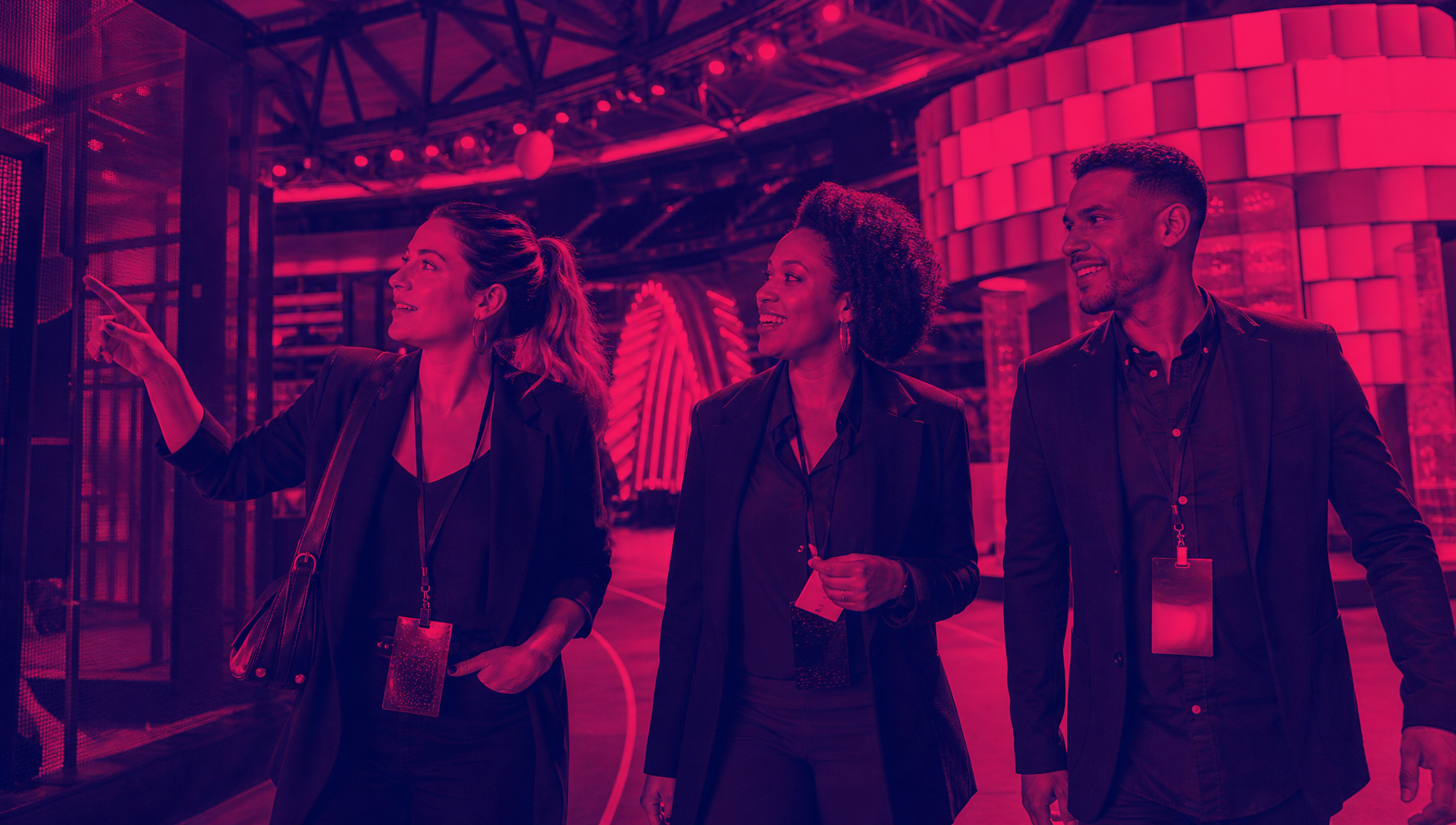
When a sports sponsorship activation is built properly, it can create useful content and communications opportunities. That does not mean making promises about coverage or reach. It means designing moments that can be documented, shared and extended after the live experience.
Live participation gives the brand something real to talk about. It gives the rights holder a stronger narrative around the partnership. And it gives the wider campaign a source of authentic material that comes from the sporting context itself.
We think about these opportunities early, because they depend on the experience structure. A fan moment, a hospitality interaction or a branded environment can all create material that supports later communication. The point is to make the live experience good first, then capture what it naturally enables.
Selected sports credibility across South Africa and Africa
Chaos Theory works across South Africa and Africa with sports properties, rights holders and brands that want more from sponsorship than visibility alone. Relevant experience includes work in contexts linked to Chelsea FC x Unilever, the NBA, the Basketball Africa League and SA20.
Those examples matter because they sit inside the world of sport, where audience expectations, event timing and brand discipline all shape the final experience. They also show the kind of thinking required when sponsorship rights need to become something people can actually engage with.
Start the conversation
If you are a sponsor or rights holder, share the property, the rights scope, the audience and the commercial objective. We will help shape the sponsorship leverage, activation approach and fan experience around the realities of the sport and the venue. Start the Conversation by visiting Meet Us, and explore our related Sponsorship Strategy & Activation, Brand Activations and relevant sports case studies pages for more context.