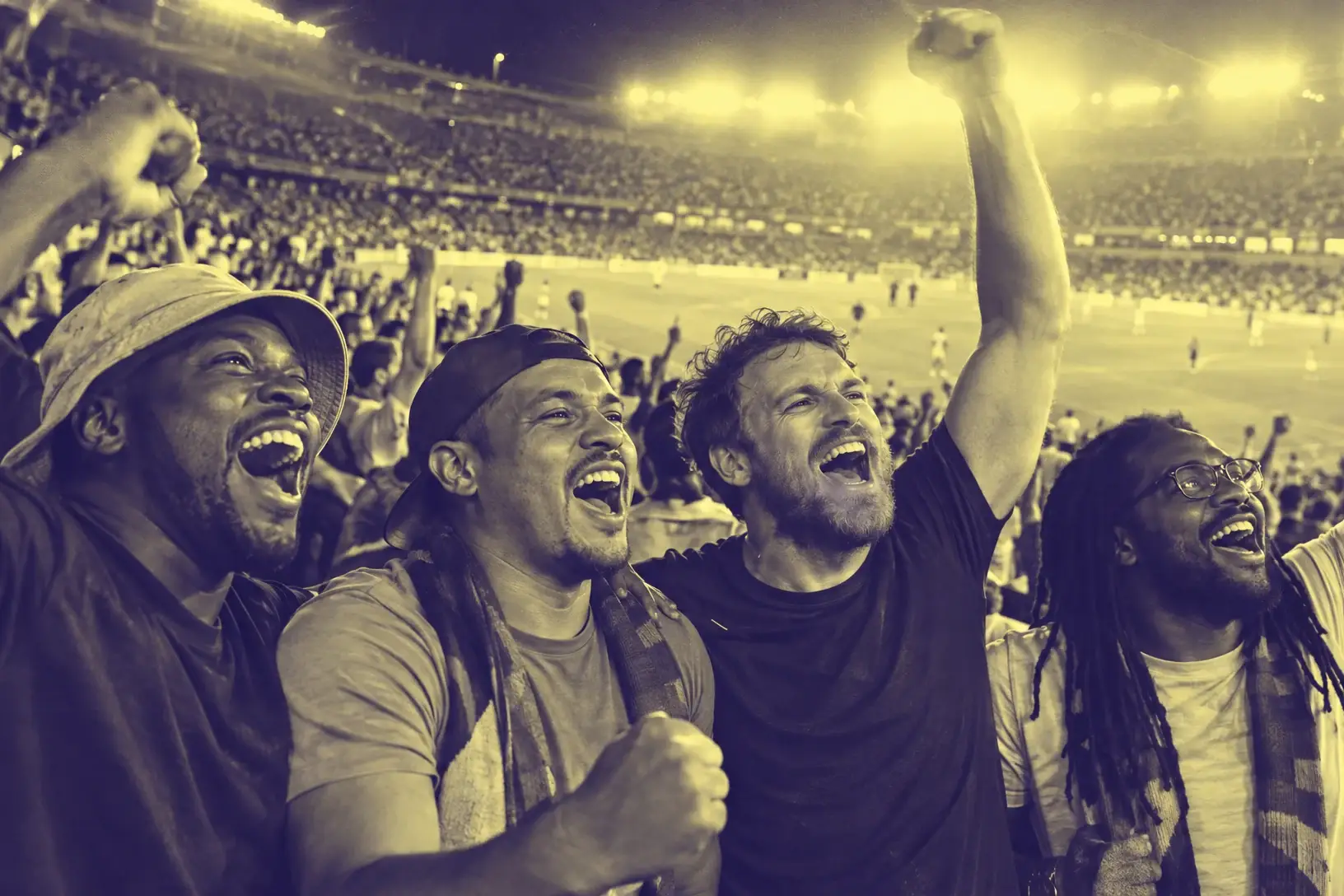
By the time South African brand teams are shaping 2027 briefs, the old formula is already tiring. Bigger screens, louder builds and more spectacle do not automatically make an experience more valuable. The sharper question behind experiential marketing trends 2027 is simpler: what is the reason to be there, and what does that attendance actually do for the audience and the brand?
That is why the most useful read on experiential marketing is not a list of shiny formats. It is a look at observable 2026 brand behaviour and what it suggests for next year’s planning. The direction is clear enough to act on: usefulness is gaining ground over decoration, human connection matters more as AI becomes normal, analogue touches are cutting through digital fatigue, and community design is becoming more valuable than crowd size alone.
For B2B marketers, sponsorship leads and event decision-makers, that shift changes the brief. It affects the creative idea, the production budget, the interaction model and the way success is measured. It also changes how brand activations should work. The activation cannot just appear, attract attention and disappear. It has to earn its place in the room.

2027 starts with the signals, not the spectacle
When this article refers to 2026 signals, it means visible international brand behaviour that shows where attention is moving. It does not mean South African audiences will behave identically, and it does not mean a global activation can be lifted into a local market without adaptation. It is a planning cue, not proof.
That distinction matters. A 2027 brief should not be built around imitation. It should be built around the underlying need the signal points to: participation with purpose, moments that feel human, physical cues that stay in memory, and experiences that make people feel part of something rather than simply present for it.
Useful beats decorative. Every time.
The first major shift behind experiential marketing trends is the move away from decorative pop-ups and toward useful experiences. Spectacle still has a role, but only when it supports a clear audience value. In practice, that means the experience should do something for the person who enters it. It may help them learn, decide, participate, create, test or connect. A beautiful build that does none of those things is increasingly expensive noise.
A useful reference point is the international pattern signalled by Pinterest’s phone-free Coachella activation. The point is not to claim a business result from that example. The point is the participation mechanic. It suggests that people are willing to engage when the experience has intent and when the format helps them step out of passive scrolling and into something more present. That is a strong cue for 2027 planning.
Read the full section
For South African briefs, the implication is practical. Ask what the audience gets back from the moment, beyond a photo. A useful experience can include product learning, guided interaction, a live decision aid, a tactile demonstration, a content-making moment or a conversation that moves a buyer closer to action. The experience design becomes clearer when the value exchange is explicit.
That is also where production choices become strategic. Materials, circulation, touchpoints and staffing all need to support the purpose of the experience. If the objective is trust, the environment should make it easier to ask questions. If the objective is trial, the structure should reduce friction. If the objective is memory, the most visible element should be the one people can actually use or do, not just look at.
For teams shaping brand experience trends 2027, the planning question is not “How do we make people stop?” It is “Why would they stay?”
More AI. More reasons to connect.
AI is not removing the need for human-centred design. It is increasing it. The more automated content, targeting and planning become, the more valuable the live experience becomes as a place where people can feel seen, heard and involved. That is one of the clearest signals in event marketing trends 2027.
International work from Microsoft and Canva at Cannes points in that direction. Again, the signal is not that one format should be copied. The signal is that brands are foregrounding people, stories and meaning rather than letting technology be the headline. The strongest experiences in 2027 are likely to use AI where it helps, while still making room for genuine human exchange.
Read the full section
That has direct implications for South African brand leaders. An AI-shaped world does not call for colder experiences. It calls for better ones. The brief should create space for dialogue, co-creation, live moderation, peer-to-peer exchange and a sense that the audience is part of the story rather than data being processed by the story.
From a production perspective, this means thinking carefully about the moments where human presence matters most. A host, expert, facilitator or brand representative can shift the tone of an entire experience when they are there to listen rather than simply present slides or scripts. Even digitally enabled formats benefit from that principle. The technology can carry scale, but the interaction still needs a human anchor.
For experiential trends South Africa, the opportunity is not to make technology smaller for its own sake. It is to make the human moment more intentional. AI can speed planning, personalise journeys and sharpen logistics. The experience still needs people who can interpret, respond and connect in real time.
The power of touch in a screen-first world
Another strong cue for 2027 is the return of analogue and tactile interaction. After years of optimising everything for screens, more brands are rediscovering the value of touch, materiality and physical cues. That does not mean digital is losing relevance. It means digital overload has created appetite for something feel-based, grounded and memorable.
This matters because tactile experiences often carry meaning in ways a screen cannot. Materials can signal quality. Craft can suggest care. A physical interaction can slow the pace long enough for the audience to notice the brand message. In a world of continuous scrolling, that pause is useful.
Read the full section
For South African briefs, analogue design should be treated as a production decision, not a decorative afterthought. The choice of finishes, textures, sound, pacing and interaction tools can either reinforce the message or flatten it. If an experience needs to communicate care, craftsmanship, precision or authenticity, the physical build should express that before anyone explains it.
The same applies to content capture. An analogue moment can still be shareable, but that should not be the only test of success. Sometimes the strongest role of a physical cue is to deepen memory, improve comprehension or make the audience feel the brand more clearly. That is particularly relevant for categories where trust, quality and differentiation are hard to communicate through claims alone.
For decision-makers assessing experiential marketing trends 2027, the lesson is simple. Do not ask only what can be digitised. Ask what should remain tactile because the physical act itself is part of the message.
Build a community, not just a crowd
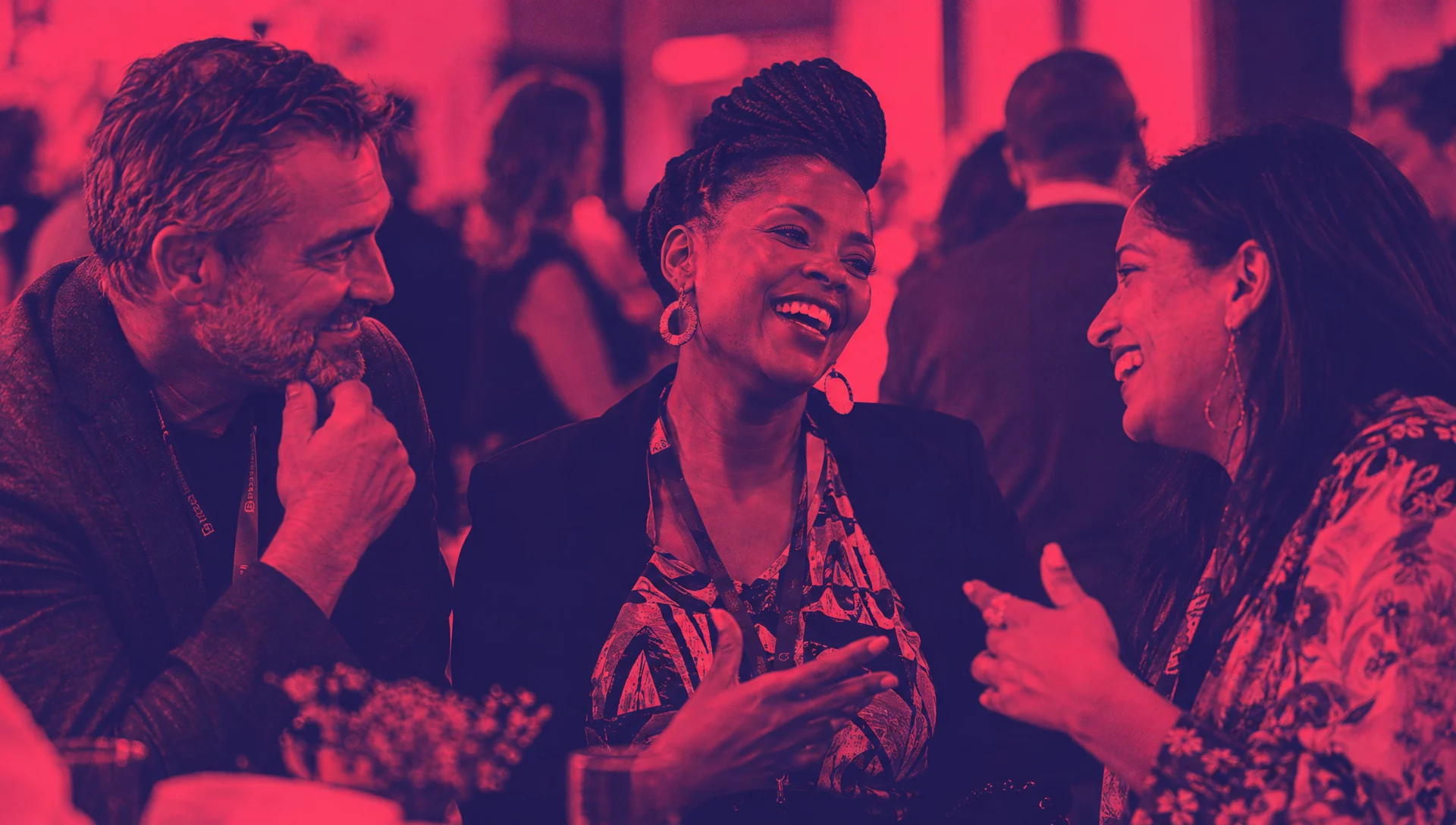
The fourth shift is toward community, not just crowd size. Large attendance can look impressive, but it does not automatically create relevance. More brands are designing for participation loops, smaller groups, shared ownership and audience-led outcomes. That is because communities remember what they helped shape.
This is one of the most important ways in which the next wave of brand experience trends 2027 differs from older event thinking. The goal is not only to gather people in one place. It is to create a structure that gives them a role. That role can be simple: vote, contribute, co-create, discuss, mentor, share, compare or carry the idea forward after the event ends.
Read the full section
For sponsors and brand partners, this has practical consequences. Community mechanics make the engagement more repeatable and more credible. They also reduce the pressure to over-build a single moment in the hope that scale alone will carry the message. Instead, the brand creates a sequence of interactions that feel connected and useful.
In a South African context, that approach suits many B2B objectives. Conferences, trade platforms, internal launches and partner events all benefit when the audience is not treated as a passive mass. A smaller, better-shaped room can create stronger signal than a larger one with no participation design.
This is where Chaos Theory’s positioning as Experts in Experience becomes relevant. Experience strategy and production execution have to work together. A community-first concept needs the right architecture to feel coherent, the right audience action to feel meaningful and the right measurement lens to understand what happened beyond attendance.
That is also why the right selected work matters. Strategy only becomes persuasive when it is translated into an experience people can enter, use and remember. The best proof is not a slogan. It is a well-made interaction that helps the brief do its job.

Turn the 2027 trends into a stronger brief
For South African teams planning now, the useful move is to translate the signal into brief language. Start with the business objective. Then define the audience’s reason to show up. After that, decide what the experience must help them do, feel or understand. Only then choose the format, technology, materials and measures.
In practice, that means testing every idea against a few questions. Does it give people a reason to be there? Does it make space for human connection? Does it use analogue or tactile elements where they strengthen the message? Does it build belonging rather than just visibility? And can its success be judged by more than footfall alone?
Those questions are where experiential marketing trends 2027 become useful. They stop being a prediction exercise and become a planning tool.
What will your audience remember?
The next round of experiences will not be won by spectacle alone. They will be won by relevance, usefulness and the ability to create something people want to enter, feel and act on. If there is no reason to be there, there is no reason to remember it. If there is no reason to return or respond, the moment has not done enough.
That is the real shift in event marketing trends 2027. The strongest experiences will not simply attract attention. They will create an audience action that matters to the brand and a moment that matters to the person. That is the standard worth planning toward.
Make your next experience matter
If your 2027 brief needs a sharper reason for people to show up, Chaos Theory can help shape the experience logic before production begins. Start a strategic conversation about your event, brand or sponsorship objective, and get a quote that aligns the idea, the audience action and the experience design.