

An event content capture plan matters most when there is no second take: the product reveal, the speaker’s key point or the audience interaction that makes the brand story tangible. Miss that moment and editing cannot recreate it. For a marketing team that needs usable assets afterwards, the work starts before the first guest arrives. A shared brief defines what needs to be captured and why.
That planning starts with the intended use, not the camera. A recap video, a short social edit, a leadership message and a library of still images may all come from one event, but they do not necessarily need the same moments, framing or access. The brief should connect the audience and message to the content required, then coordinate capture with the wider event plan.
For marketing teams in South Africa, Chaos Theory brings event strategy, creative experiences and production into that conversation. Its product launch planning includes photography and video, media conditions, interview access and content capture. These requirements belong alongside the live experience, not in a separate request once the room is already filling.
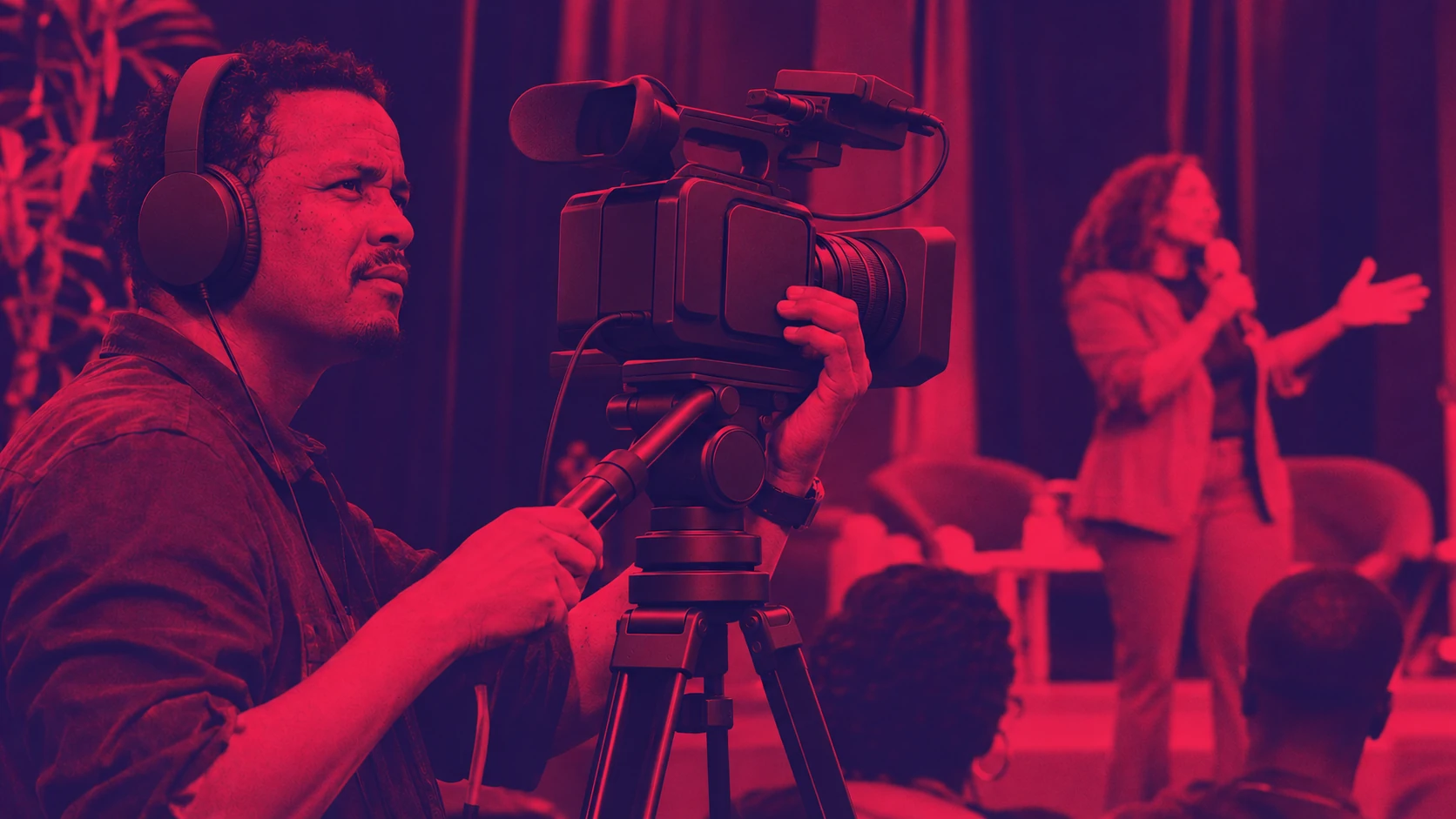
Start with the audience and the message
Before building an event shot list, decide who the content is for. Clarify what each piece should help them understand, feel or do. “Capture the event” is too broad to guide a crew. A useful brief distinguishes footage for attendees from material for people who could not attend. Other assets may explain a product or business message later.
Those audiences shape what counts as an important moment. A delegate-focused conference recap may need speakers, audience participation and the atmosphere of the day. A launch piece may need a clear view of the product, the reveal and the way the brand story is presented. A leadership interview could require a quiet setting and a protected time window. A camera at the back of the room may not provide that.
Write down the message beside each intended output. If the purpose is to show how a new product is positioned, make sure the planned shots can communicate more than its appearance. If the content is meant to make a conference theme clear to someone who was not there, identify which speaker moments, details or attendee perspectives can tell that story. The aim is not to film everything. It is to capture enough of the right material to support the purpose.
Build an event content capture plan around deliverables
Once the outputs are clear, work backwards. Your event video brief should specify the formats, versions and footage required. It should also confirm capture windows and approval responsibilities. A short social edit may need vertical footage and a self-contained moment. A longer recap may need a wider sequence of the event and room to establish context. Interviews may need separate access, clean sound and time away from the busiest activity.
The following illustrative asset plan connects content needs to the conditions that make them possible. Adapt it to the event rather than treating it as a universal shot list.
- Short social edit: For people encountering the event through social channels, capture concise, visually clear moments, with framing and formats agreed in advance. Confirm which programme windows allow the crew to move without obstructing the experience.
- Event recap: For stakeholders who need a sense of the event and its key message, plan establishing shots, important programme moments, relevant audience activity and details that help the edit feel complete. Identify the moments that cannot be repeated.
- Speaker or leadership interview: For an audience needing a clear perspective or explanation, agree the interview subject, key themes, location, sound requirements and a realistic time window. Confirm access with the person responsible for that part of the programme.
- Product or brand story: For an audience that needs to understand the product’s positioning, specify which details, interactions or reveal moments matter. Coordinate access and timing with the event team.
- Photography library: For future communications, event coverage or internal reporting, identify the people, spaces, programme moments and brand details required. Note any photography conditions that affect what can be captured or used.
This is where a good brief becomes operational. Add the capture window for each priority, who owns access, who reviews the material and when each deliverable is due. If an interview must happen before a speaker leaves, that timing belongs in the running order. If a reveal happens once, the crew needs to know where to be and what shot matters before that moment begins.
Different channels need different access
It is easy to assume one set of footage can serve every channel. Sometimes it can. But different uses can call for different framing, duration, sound, permissions or surroundings. Vertical and horizontal video, for instance, frame a scene differently. An interview designed to carry a message may need intelligible audio and a controlled background; a live atmosphere sequence may prioritise movement and the energy of the room.
Access matters just as much as format. A camera position that works for a wide view may not work for a close product detail. An interview room needs to be available at the right time, and its location should make sense for the speaker and the schedule. Photography and video conditions may also affect where a crew can work or which moments are suitable to capture. Confirm those conditions with the relevant event stakeholders instead of assuming access on the day.
There is a practical balance to strike: capture the content without making the event feel like a production set. The experience still belongs to its attendees. Build crew movement, camera positions and interview timing around the programme, guest flow and purpose of the event. That is especially important where the content crew needs access to a moment that is also central to the live audience experience.
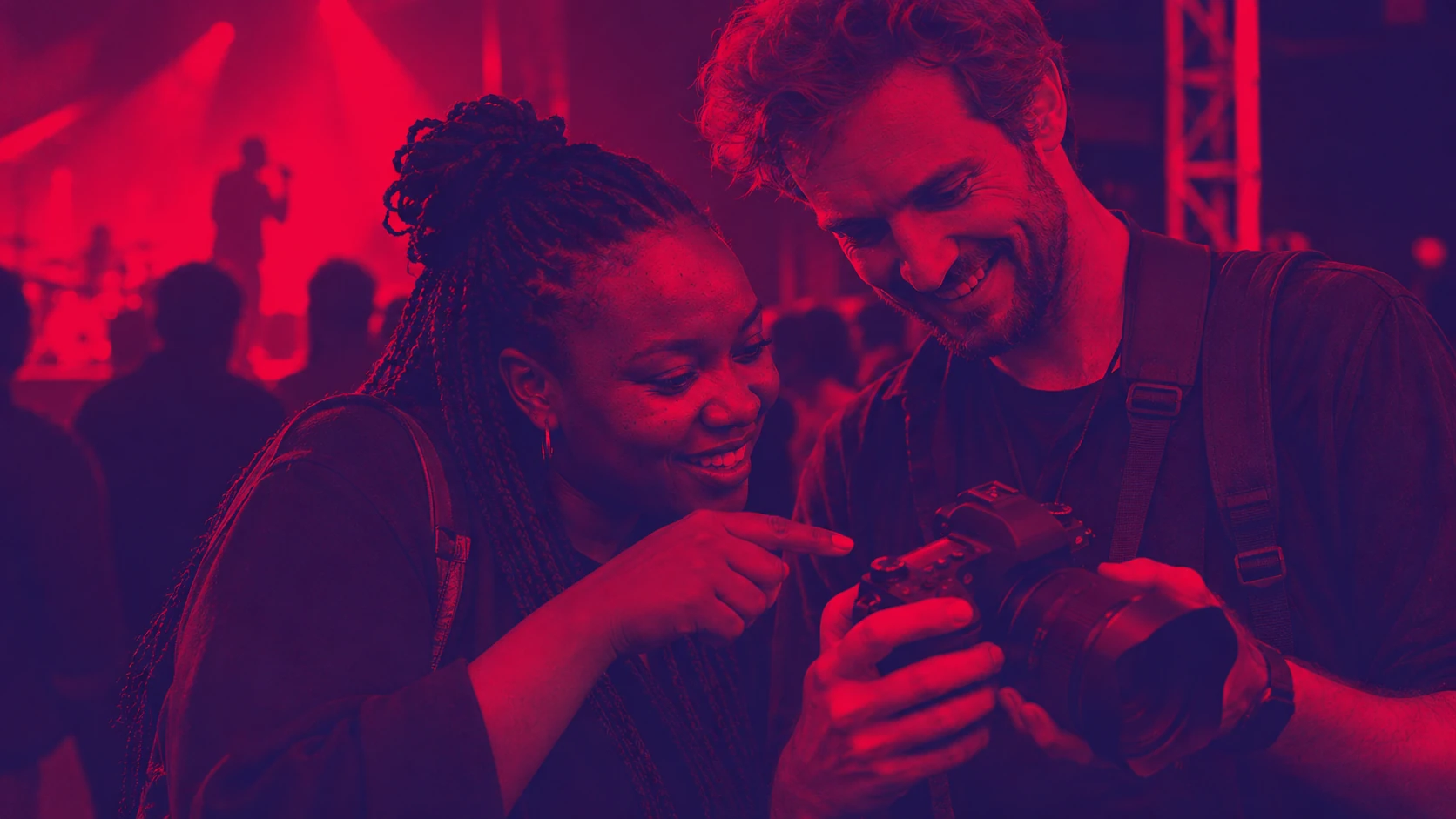
Agree approvals before the deadline arrives
Footage can be technically strong and still be difficult to use if nobody knows who can approve it. Decide who is responsible for reviewing each output and what they are reviewing for: factual accuracy, brand positioning, speaker permissions, format or overall message. Where several stakeholders are involved, name an owner who can coordinate feedback and keep decisions moving.
Delivery dates should be planned alongside those approvals. Work backwards from when the team needs each asset, allowing time for editing and review. A same-day social post, a scheduled recap and a longer-term content library may each have different timelines. Agreeing on those needs early helps the event team and content crew make realistic decisions about priorities and capture windows.
Keep the plan usable. A long list of everything that could be filmed is less helpful than a short set of prioritised shots, named owners and clear timings. Mark the moments that are essential, the shots that are useful if time allows, and the interviews that need a firm slot. If the programme changes, the team can adjust without losing sight of the outputs that matter most.
Make content part of the event design
A content capture plan works best when it is part of event planning, rather than a separate request handed over at the last minute. Audience objectives, message, programme, production and capture affect one another. A planned interview may shape a schedule; a media condition may influence access; a key piece of footage may depend on a lighting or stage cue. The earlier those connections are visible, the more deliberately the team can prepare.
That does not mean every event needs the same volume of content or the same production setup. A focused set of assets can be more useful than hours of footage without a clear purpose. Start with what the team needs to communicate, then plan the people, moments and conditions required to create it. When the final edit arrives, it should feel like a continuation of the event’s story, not an attempt to reconstruct what was missed.
Plan the story before the event day
Planning a launch, conference or brand experience? Talk to Chaos Theory about your audience, intended message and the assets your team needs afterwards, so content requirements can inform the creative and production planning from the start.
Related Posts
Conference Agenda Design: What Should Delegates Leave Understanding?
Edit a crowded conference agenda around what delegates need to understand,…

Event Success Metrics: Look Beyond the Full Room
A full room is one result. Build a measurement plan that explains audience…
Simultaneous Multi-City Event Planning: One Launch, Two Rooms
Simultaneous multi-city event planning for one clear launch message,…