

Simultaneous multi-city event planning gets complicated when the same launch has to feel joined up in Cape Town and Johannesburg, while each room has its own venue, people and practical demands. The audience needs to experience one clear brand story, not two events competing to interpret it. Chaos Theory brings strategy, creative brand experiences and complex live production together. A shared idea needs those disciplines to work across separate locations at the same moment.
That does not mean making every detail identical. A venue’s layout, guest arrival pattern and technical requirements can differ considerably. Decide what must stay consistent and what should be adapted locally. Establish who has authority to make those calls before the event is live.
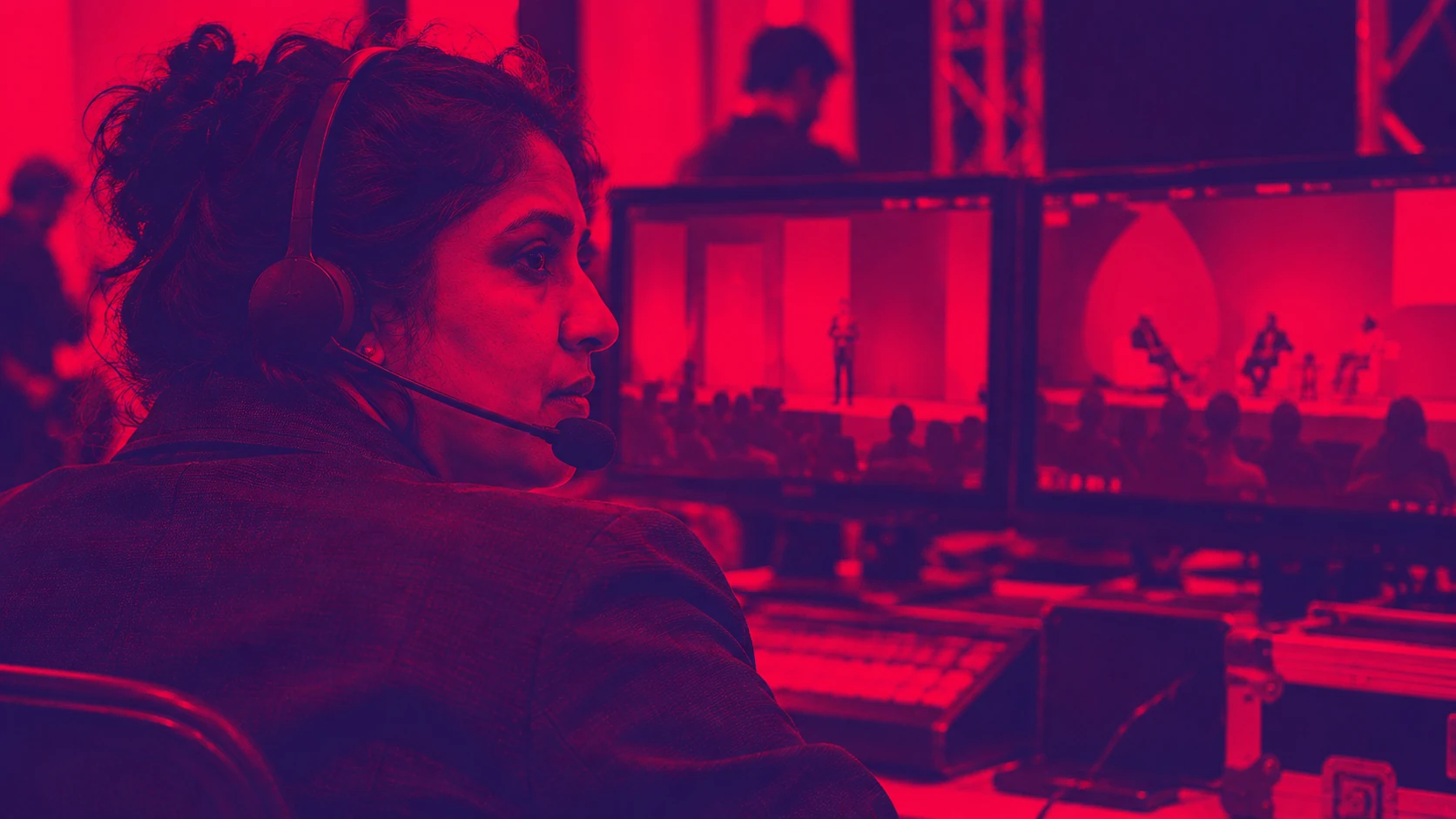
Hold the brand experience together, not every detail
A simultaneous launch creates two related tasks. The central team has to protect the purpose and message of the experience. Local teams make it work for the room and its audience. If everything is controlled centrally, a small local issue may take too long to resolve. If every decision is made locally, the experience can drift away from the launch’s shared story.
Start with the audience outcome. What should people understand, feel or be able to do as a result of attending? That gives the teams a common point of reference when a practical decision arises. One city may need a different guest-flow arrangement because of its venue. That change need not alter the launch message or the moment the audience is asked to pay attention.
Chaos Theory’s documented work offers a relevant example: the House of the Dragon premiere was delivered simultaneously in Cape Town and Johannesburg, with an immersive themed feast, live music and a screening. The example shows that a shared event concept can travel across two cities. It does not establish that the venues, operating plans or room-by-room details were identical.
In planning terms, the question is not simply, “How do we copy this event?” It is, “Which parts create the same experience for the audience, and which parts must respond to the local conditions?” That is a more useful starting point for a brand launch, where the experience should reinforce the product’s positioning and the message it is there to deliver.
A responsibility split for simultaneous multi-city event planning
The following responsibility matrix is an illustrative planning method, not a description of Chaos Theory’s internal process. Its purpose is to make ownership visible. The exact responsibilities will depend on the event, the people involved and the production requirements.
- Central message: The central team sets the launch purpose, audience priorities, key messages and the moments that matter across both locations. Local teams should know what cannot change and why.
- Creative assets: The central team coordinates materials that need to be consistent, such as the main presentation, brand content and approved visual direction. Local teams confirm which elements need adapting to fit each room.
- Approvals: Identify who signs off shared content centrally and who can approve local operational adjustments. Clarify how time-sensitive decisions reach the right person.
- Key timing: The central team agrees the shared event schedule with local delivery leads, including content or activity that needs to happen simultaneously. Build in time to test the plan before guests arrive.
- Local rehearsals: Each local team runs through its own version of the event. A shared script cannot reveal every issue with a room’s sightlines, sound or movement.
- Venue delivery: Assign local ownership for bringing the experience into the venue, including production coordination and practical checks relevant to that site.
- Guest movement: Local teams plan how guests arrive, where they go next and how they are guided into the shared launch moment. Each venue can solve this differently while keeping the audience’s experience clear.
- Issue escalation: Local leads handle problems within agreed decision boundaries and raise issues affecting shared timing or messaging centrally. Establish who receives those escalations and who decides the response.
This split is not a substitute for a detailed production plan. It is a way to expose the questions that need answers while there is still time to answer them. A responsibility label without a named owner or a decision boundary is just a tidy-looking gap in the plan.
Synchronise the moments that carry the message
Not every minute needs to be mirrored. The points that deserve close coordination are the ones that shape the shared audience experience: the welcome, the reveal, a live contribution, a screening or another central moment. Work out what “at the same time” means for the event, then plan backwards from those moments.
That includes checking what each shared cue depends on. Is the necessary content ready in both rooms? Do the local teams know what happens immediately before and after it? Is there a clear way to communicate if one location encounters a problem? These are planning questions, not reasons to burden every team with identical instructions.
Rehearsals should test the event as it will be experienced locally. A timing plan may look straightforward on paper yet feel rushed when guests are moving into a room or attention has to shift from one part of the programme to another. Walking through the transitions gives the people responsible for delivery a chance to spot where the audience could lose the thread.
It is also worth deciding which elements have a fallback. If a piece of content or a technical cue is delayed in one location, the teams need to know whether to pause, adapt or continue. The right response depends on the event. The important point is that the decision is considered before pressure rises, rather than improvised without knowing who is responsible.
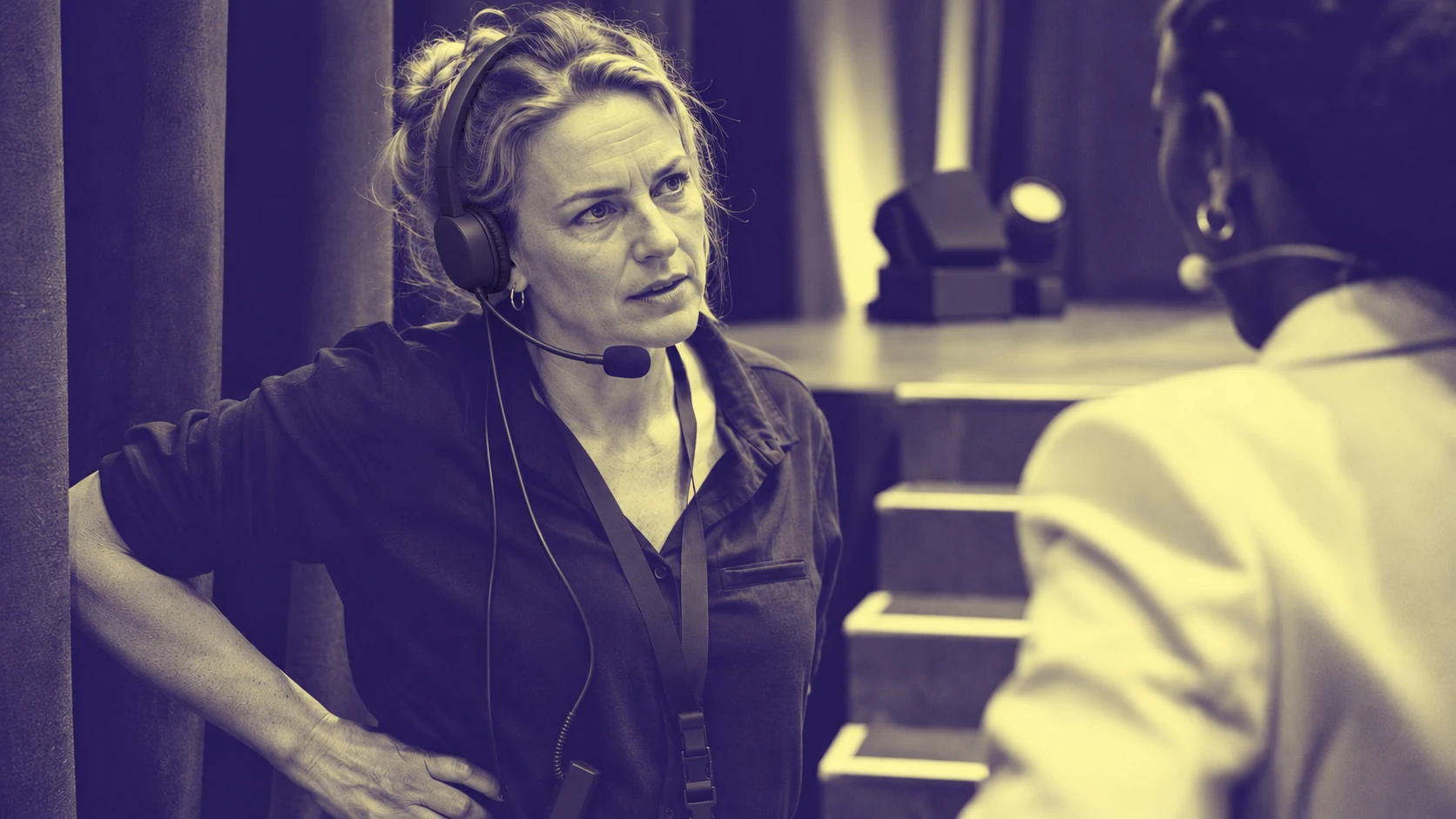
Make the shared idea work in each venue
Consistency is not a demand for identical rooms. A launch can share its central story while allowing local teams to respond to different layouts, access routes and production requirements. The test is whether an adaptation helps the audience follow the experience without changing what the launch is meant to communicate.
That makes venue delivery part of the creative thinking, not a task to leave until after the concept is approved. A format that depends on a particular sightline, for instance, needs to be considered in both rooms. The production team can then identify what must be preserved and where a different local solution may be needed.
Guest movement deserves the same attention. If people are unsure where to go or when to move, they may miss a key moment even when the event schedule is perfectly aligned. Clear transitions and local knowledge can help maintain a coherent experience without pretending the two venues operate in exactly the same way.
Chaos Theory’s work spans brand experiences and complex live production, connecting an event’s audience objective with creative and delivery requirements. That combination is useful when a launch concept has to work in two separate rooms, rather than remaining a strong idea on a presentation slide.
Know when the format is a roadshow instead
A simultaneous launch and a corporate roadshow can both involve multiple cities, but their timing changes the planning challenge. A roadshow generally moves through locations in sequence. A simultaneous event asks teams to coordinate separate deliveries at once, with shared timing and decisions that may affect both rooms.
That distinction matters when choosing the planning approach. A sequential corporate roadshow can focus on how the experience travels from one stop to the next. For an event happening in two cities at the same time, the plan also needs to make ownership, local readiness and escalation clear across locations. Chaos Theory has a corporate roadshow event-management service, but concurrent delivery needs a planning approach built around simultaneous event coordination.
Neither format is automatically the better choice. Start with the intended audience experience and business objective. If people in both cities need to share the same launch moment, simultaneous delivery may be the relevant format. If the experience needs to travel between audiences over time, a roadshow may be more appropriate. The format should serve the purpose, not just make the brief sound bigger.
Build one launch that belongs in both rooms
Planning a launch across Cape Town and Johannesburg? Talk with Chaos Theory about your audience, product positioning and intended brand message. Start with what both rooms need to share, then explore how local delivery can make that experience work in each venue.
Related Posts
Conference Agenda Design: What Should Delegates Leave Understanding?
Edit a crowded conference agenda around what delegates need to understand,…

Event Success Metrics: Look Beyond the Full Room
A full room is one result. Build a measurement plan that explains audience…
An Event Content Capture Plan Starts Before the Moment
Build an event content capture plan around the shots, interviews, access and…